Review: Easter Hunting Squad SVG for Embroidery
As a designer who spends more time staring at stitch simulations than I do sleeping, I approach every new digital embroidery file with a healthy dose of skepticism. We have all been there: you download a cute graphic, load it into your software, and realize the lines are too thin for a needle to follow, or the details vanish once the thread hits the fabric. So, when I pulled up the Easter Hunting Squad SVG Cut File to evaluate it for real-world application, my goal was not just to see if it looked good on screen, but to determine if it would hold up under the needle.
This design sits at an interesting intersection. While it is marketed heavily toward digital planners and sticker enthusiasts—think Goodnotes stickers, OneNote labels, and PNG bundles for digital sellers—it possesses the bold, graphic qualities that often translate well into machine embroidery design work, provided you know how to adapt it. Let’s break down how this asset performs when moved from the pixel grid to the hoop.
First Impressions: Mood and Visual Personality
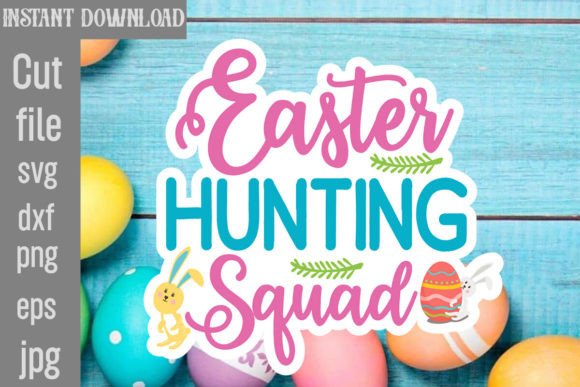
The immediate vibe of the Easter Hunting Squad concept is playful and energetic. It captures that specific moment of chaotic joy associated with Easter morning. Visually, the layout tends to feature bold outlines and distinct shapes, which is a promising sign for embroidery. In the world of Crafts and Graphics, designs that rely on subtle gradients or hairline details are nightmares to stitch. This design, however, leans into stronger silhouettes.
The theme suggests a group dynamic—perhaps bunnies, chicks, or eggs in action poses. For an embroidery project, this narrative element is gold. It allows for storytelling on a garment. When I visualize this on a custom apparel piece, I do not see a static logo; I see a scene. The visual personality is friendly and approachable, making it ideal for family-oriented products. However, the "SVG" nature of the file means it is vector-based. For embroidery, this is a double-edged sword. It scales infinitely without losing quality, which is great for resizing, but it lacks inherent stitch data. You will need to digitize it or ensure you are using a version specifically converted for embroidery machines.
Real-World Application: From Screen to Stitch
Let’s talk about where this design actually shines. I recently worked on a batch of tote bag design prototypes for a local boutique, and a motif like this is perfect for that canvas. Tote bags usually use heavier cotton or canvas fabrics, which can handle higher stitch density without puckering. The bold lines of the Easter Hunting Squad would pop against a natural linen background, especially if you use contrasting thread colors like bright pastels against a neutral base.
Another strong candidate is sweatshirt embroidery. A crewneck sweatshirt provides a stable, thick surface that supports larger designs. Placing this squad across the chest or on the back creates a statement piece. For Etsy seller accounts, this type of seasonal, high-visibility design drives engagement. Customers love seeing their kids’ names integrated into such scenes, turning a standard holiday item into a personalized gift.
However, we must address the applique design potential. If the original SVG includes large filled areas, converting these to applique can save time and reduce bulk. Using a felt or cotton fabric cutout for the main characters and then stitching around the edges with a satin stitch or running stitch border gives a professional, boutique finish. This technique works exceptionally well for baby embroidery items, where softness against the skin is paramount. Heavy fill stitches can feel scratchy on a onesie, but applique keeps it light and textured.
Technical Challenges and Fabric Considerations
While the design is charming, it is not without its pitfalls. The primary concern with any graphic-originated file is detail loss. If the Easter Hunting Squad includes small facial features or tiny accessories, these may disappear when stitched out at smaller sizes. I always advise testing the design on scrap fabric first. Check how the fill stitch behaves on your specific material.
Fabric texture plays a huge role here. On a smooth quilting cotton, the design will look crisp. On a textured towel or a waffle-knit shirt, those same lines might get lost in the weave. If you are attempting this on a cap or hat, be cautious. Curved surfaces distort designs. You may need to warp the image slightly in your digitizing software to compensate for the curvature of the crown. Additionally, caps require stiff backing; without proper stabilizer, the design will pucker and look amateurish.
Dark fabrics present another hurdle. If you are stitching this on a navy or black hoodie, you cannot rely on the fabric to show through as part of the design. You must ensure your thread colors are vibrant enough to stand out, or consider using an underlay stitch that contrasts with the garment to make the top stitches pop. Always test a black-and-white mockup first to check for value contrast.
Commercial Viability and Brand Consistency
For small shop product lines, consistency is key. If your brand aesthetic is rustic and handmade, this playful, graphic style might need adjustment. Perhaps using earthy thread tones instead of neon brights. If your brand is modern and pop-art inspired, lean into the saturation. The Easter Hunting Squad SVG Cut File is versatile, but it requires intentional styling to fit your brand voice.
From a commercial embroidery standpoint, speed matters. A design with excessive satin stitch borders or complex fill stitch patterns takes longer to run. Time is money. If you are producing fifty units for a craft fair, you need to know the stitch count. Since this is originally an SVG/Cut file, verify if you have access to the embroidered version’s stats. If you are digitizing it yourself, optimize the pathing to minimize jumps and trims.
Customer trust is built on quality. A poorly stitched design with loose threads or puckered fabric damages your reputation. Ensure your hoop size is appropriate. Do not try to cram a large squad into a 4x4 hoop if it compromises clarity. Sometimes, breaking the design into two separate elements stitched side-by-side yields a better result than one cramped image.
Practical Designer Notes for Success
- Verify Licensing: Before selling any finished product or design assets, confirm the license terms. Just because it is an SVG does not automatically grant commercial embroidery rights. Check with the creator.
- Stabilizer Selection: Use a cut-away stabilizer for stretchy fabrics like t-shirts and sweatshirts. Use tear-away for stable woven fabrics like tote bags or aprons.
- Test Stitch Density: If the design feels heavy, reduce the density in your software. Too many stitches in one area can perforate the fabric, weakening the handmade product.
- Check Small Details: Zoom in on the digital preview. If a line is thinner than 0.5mm, it may not stitch well. Consider simplifying or removing tiny elements.
- Mockup Variations: Create printable mockup images showing the design on both light and dark garments. This helps customers visualize the final look and increases conversion rates for your Etsy listings.
In conclusion, the Easter Hunting Squad SVG Cut File offers a delightful foundation for seasonal embroidery projects. It bridges the gap between digital planning aesthetics and tangible Crafts. With careful attention to digitizing, fabric choice, and stabilization, it can become a standout item in your spring collection. Whether you are creating a holiday embroidery piece for your own family or stocking your small business merchandise, treat this file as a raw material. Refine it, test it, and let your technical skills elevate it from a simple graphic to a cherished embroidered patch or garment. The potential is there; it just requires the eye of an experienced maker to unlock it.