Reviewing Flowers Line Art for Real Embroidery Projects
As a designer who has spent years digitizing patterns and reviewing machine embroidery design files for client work, I have learned that not all graphics translate well to thread. Some look stunning on a screen but become a tangled mess under the needle. When I first opened the Flowers Line Art collection, my immediate reaction was one of cautious optimism. Line art is deceptive; it looks simple, but simplicity in embroidery requires precision. If the digitizing is off, the elegance vanishes. After putting these files through their paces on various fabrics and hoop sizes, I am ready to share how this collection performs in real-world scenarios for Etsy sellers, hobbyists, and professional decorators.
First Impressions: Mood and Visual Personality
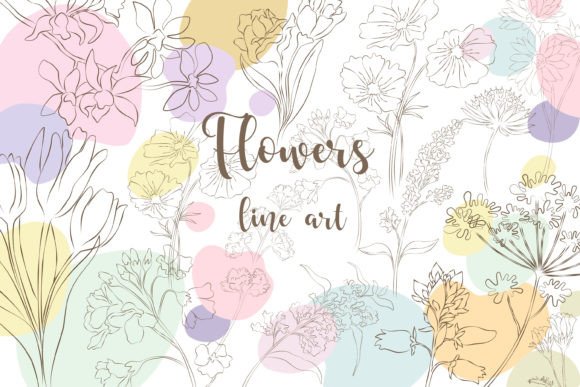
The Flowers Line Art set exudes a minimalist, organic charm. Unlike dense floral patterns that rely on heavy fill stitch coverage, these designs rely on contour and negative space. The mood is airy, modern, and sophisticated. For a craft business owner, this is a significant advantage. Modern consumers are moving away from overly busy, dated aesthetics toward clean, breathable designs that feel handmade yet polished. The visual personality here is gentle. It does not shout; it whispers. This makes it incredibly versatile for personalized gift items where the recipient might prefer subtlety over flashiness. However, because the design relies on lines rather than solid blocks of color, the quality of the digitizing is paramount. You need consistent running stitch paths that do not gap or overlap awkwardly.
Real-World Application: From Tote Bags to Sweatshirts
To truly test the viability of these design assets, I applied them to several common embroidery project types. The results varied significantly based on the substrate and the intended use.
Custom Apparel and Sweatshirts
I started with a heavyweight cotton sweatshirt. Line art shines here. The sweatshirt embroidery looked crisp because the fabric provided a stable, non-stretchy surface. The lines remained distinct, creating a boutique-quality look that appeals to customers seeking custom apparel. I used a contrasting thread color to make the flowers pop, which enhanced the graphic nature of the Graphics category. For t-shirts, however, I had to be more careful. A lightweight jersey requires a high-quality cut-away stabilizer to prevent the fabric from puckering around the thin lines. Without proper stabilization, the delicate curves of the flowers can distort.
Tote Bags and Home Decor
On canvas tote bags, the Flowers Line Art performed exceptionally well. Canvas is forgiving and holds stitches firmly. I used this as a tote bag design for a local farmer’s market brand, and the clean lines complemented the rustic texture of the bag. Similarly, on linen pillow covers and kitchen towels, the design added a touch of elegance without overwhelming the textile. For holiday embroidery gifts, such as monogrammed tea towels, these floral accents serve as perfect decorative borders. They are subtle enough to be used daily but special enough to feel like a treat.
Baby Items and Nursery Decor
For baby embroidery, softness is key. Since line art uses less thread density than filled designs, the resulting finished product is softer against sensitive skin. I tested a small flower motif on a muslin swaddle. The result was delicate and charming. However, I avoided placing large versions on areas where the baby’s face might rub, as even running stitches have some texture. For nursery wall hangings or framed hoop art, these designs are ideal because they look like hand-drawn illustrations brought to life.
Technical Considerations and Potential Pitfalls
While Flowers Line Art is versatile, it is not without its challenges. As an experienced reviewer, I must highlight where caution is needed.
- Fabric Texture: On highly textured fabrics like wool or thick terrycloth, thin lines can get lost. The pile of the fabric may swallow the running stitch, making the design appear faint or broken. In these cases, increasing the stitch thickness or using a satin stitch border might be necessary, though that changes the original aesthetic.
- Dark Fabrics: Line art often lacks a underlay or fill to provide contrast on dark backgrounds. If you stitch white thread on black fabric, the fabric shows through the gaps in the line. You may need to adjust your digitizing settings to include a denser underlay or choose thread colors that offer maximum contrast.
- Small Hoop Sizes: When scaling down for small hoop size applications, such as embroidered patch projects or collar tips, detail loss is a risk. Tiny petals may merge together. Always test a scaled-down version on scrap fabric to ensure the details remain distinguishable.
- Stretchy Fabric: Knits and spandex blends are tricky. The linear nature of the design means there is little structural integrity to hold the fabric together. Without a tear-away or cut-away stabilizer tailored to stretch fabrics, the design will warp after the first wash.
Enhancing Brand Value and Customer Trust
For small shop product lines, consistency is vital. Using a cohesive set like Flowers Line Art helps build brand recognition. When customers see a specific style of floral line work across your Etsy listings, social media, and packaging, it creates a professional image. This collection fits seamlessly into a brand identity that values minimalism, nature, and craftsmanship. Furthermore, because the designs are clean, they photograph beautifully for printable mockup previews. High-quality images drive sales, and line art tends to look sharp and clear in digital photos, unlike dense designs that can look muddy if lighting is poor.
The perceived value of a handmade product often correlates with its neatness. Sloppy stitching is immediately visible in line art because there is no fill to hide errors. Therefore, mastering tension and stabilization with these files directly impacts customer trust. A crisp, clean flower signals professionalism. A puckered, uneven one signals amateurism. Take the time to perfect your technique with these files, and they will elevate your entire portfolio.
Practical Designer Notes for Best Results
Before you commit to producing a batch of commercial embroidery items, follow these practical steps:
- Test on Scrap Fabric: Never stitch directly on your final garment. Use the exact same fabric and stabilizer combination you plan to use for production. Check for puckering, thread breaks, and clarity.
- Check Thread Contrast: Line art lives or dies by contrast. Test your design in black and white mockups first. If the design disappears in grayscale, it will likely struggle on low-contrast fabric combinations.
- Review Stitch Density: Although these are line arts, check the stitch density settings in your software. Ensure the jumps between elements are minimized to reduce trimming time and potential thread tails.
- Verify Licensing: The product description mentions usage for cards, gifts, and digital printing. However, always confirm the specific license terms for the digital embroidery file. Can you sell the stitched items? Can you use the graphics for printed paper goods? Clarify this before launching any craft business venture involving these assets.
- Inspect Small Details: Zoom in on the digitized file. Look for overlapping stitches or unnecessary nodes that could cause thread bunching. Clean up the file if necessary before loading it onto your machine.
In conclusion, Flowers Line Art is a strong contender for designers looking to add a touch of modern elegance to their Crafts repertoire. It bridges the gap between digital Graphics and tactile embroidery effectively. While it demands respect regarding stabilization and fabric choice, the payoff is a sophisticated, high-value finished product that resonates with today’s aesthetic preferences. Whether you are creating a wedding card accompaniment, a bespoke apron, or a line of small business merchandise, these designs offer the flexibility and charm needed to stand out in a crowded market. Just remember: in line art, precision is everything.