Reviewing Happy Easter Png Svg for Embroidery
As a designer who spends more time staring at stitch simulations than I do sleeping, I have learned that not every digital file translates well to thread. We live in an era where Graphics are abundant, but finding a design that respects the limitations of needle and fabric is rare. Recently, I pulled up the Happy Easter Png Svg to evaluate its potential for real-world application. My goal was not just to admire the aesthetics, but to determine if this asset could survive the rigors of a commercial embroidery project.
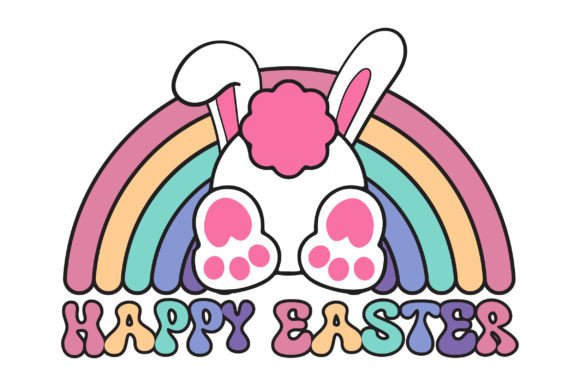
The first impression of this design is one of playful nostalgia. It leans heavily into the "Bunny birthday theme" and "Baby Miles" aesthetic, which suggests a soft, approachable vibe. For those of us in the Crafts industry, specifically those running an Etsy shop or a local boutique, mood is everything. This design does not scream for attention with aggressive lines; instead, it invites a closer look. The layout appears balanced, avoiding the cluttered feel that often plagues holiday-themed vectors. However, visual appeal on a screen is only half the battle. The true test lies in how these shapes convert to satin stitches and fill stitches under the pressure of a machine needle.
From Screen to Stitch: A Real-World Scenario
To properly evaluate the Happy Easter Png Svg, I imagined a specific client request. A local mother wanted a custom sweatshirt embroidery piece for her toddler’s first Easter photo shoot. She requested something that would look good on a pastel pink fleece hoodie, suitable for a "Smash Cake" session. This is a common scenario for small business owners. The garment is thick, textured, and slightly stretchy. The design needs to be legible from a distance but detailed enough to look premium up close.
In this context, the Happy Easter Png Svg shows promise. The bunny elements and cake topper motifs are generally robust. When digitizing such a file for a machine embroidery design, one must pay close attention to the curves. Rabbits have rounded ears and soft bodies, which are ideal for satin stitching if the width is managed correctly. If the original SVG has overly thin lines, they may disappear into the fleece or require a dense underlay that could cause puckering. My advice is to always check the vector paths. If you are converting this SVG yourself, ensure that no line is thinner than 2mm if you intend to use a standard satin stitch. Anything narrower should be converted to a running stitch or a triple stitch for stability.
Navigating Fabric and Hoop Constraints
One of the most critical aspects of using any digital embroidery file is understanding where it fails. The Happy Easter Png Svg is versatile, but it is not universal. I would hesitate to use this exact layout on a curved surface like a cap without significant modification. Caps have limited hoop space and a difficult texture. The "Cake Topper svg" elements might become distorted if forced onto a six-panel hat. Instead, this design shines on flat or gently curved surfaces.
Consider a tote bag design. Canvas is sturdy and handles high stitch density well. Here, the bunny themes can be enlarged without losing integrity. The open spaces in the design allow the fabric texture to breathe, preventing the "cardboard effect" where too many stitches make the fabric stiff and unyielding. Conversely, if you are attempting baby embroidery on a thin onesie, you must be cautious. The "Baby Party Prop" aspect of the design suggests it might be used for photos rather than daily wear. If it is for wear, use a lightweight cut-away stabilizer and reduce the density of any fill areas. Dark fabric presents another challenge. If the design relies on subtle shading, it may get lost on black or navy cotton. In such cases, increasing the contrast in your thread colors is essential.
Commercial Viability and Brand Consistency
For the Etsy seller or the craft business owner, consistency is key. Your brand is defined by the quality of your finished product. Using a low-quality graphic that results in loose threads or gaps will damage customer trust. The Happy Easter Png Svg, when handled correctly, can elevate a simple item into a personalized gift that feels bespoke. The "Easter Holiday svg" theme is seasonal, meaning you have a short window to maximize sales. Speed and accuracy are vital.
I recommend creating a printable mockup before stitching a single thread. Place the design on various backgrounds in your software. Does it look balanced on a left-chest position? Does it overwhelm a small pocket? These visual checks save time and materials. Furthermore, consider the thread colors. Pastels are traditional for Easter, but modern buyers often appreciate muted, earthy tones. A sage green bunny with a terracotta accent can stand out more than traditional bright yellow and pink. This design allows for that flexibility because the shapes are distinct.
Practical Designer Notes for Execution
Before you load this file into your machine, take a moment to review the technical specifics. Since the product description lists it as an SVG and PNG, you may need to digitize it yourself or purchase a separate embroidery file format like PES or DST. If you are digitizing, follow these steps:
- Test on scrap fabric: Never stitch directly on the final garment. Use the same material and stabilizer combination you plan to use for the client.
- Check stitch density: Ensure that overlapping areas, such as where the bunny overlaps the cake or text, do not create excessive bulk. Trim jump stitches carefully.
- Inspect small details: Tiny elements like eyes or whiskers can easily break or pull out. Consider using a French knot or hand-finishing these areas for durability.
- Confirm licensing: The description mentions "commercial embroidery" potential, but always verify the license terms. Can you sell the finished physical item? Can you resell the digital file? Clarity here protects your business.
- Hoop size selection: Choose the smallest hoop that fits the design to minimize movement and registration errors.
The Happy Easter Png Svg is a solid candidate for spring collections. It captures the whimsical spirit of the season without being overly complex. For the small shop product line, it offers versatility. It can be an embroidered patch ironed onto a denim jacket, a central motif on a kitchen towel, or a delicate accent on a nursery pillow cover. The key is adaptation. Do not treat the digital file as a rigid rulebook. Treat it as a starting point for your creative interpretation.
Ultimately, the success of this design depends on your execution. A great graphic can be ruined by poor tension settings, while a simple design can shine with perfect technique. As you prepare your holiday embroidery inventory, keep these practical insights in mind. Your customers may not know the difference between a satin stitch and a fill stitch, but they will feel the quality of the finished product. Make it count.