Reviewing Merry Christmas - SVG for Holiday Embroidery
As a designer who spends more time staring at stitch simulations than actual fabric, I have learned that not every digital file translates well to the needle. The holiday season brings a flood of festive graphics, but finding a Merry Christmas - SVG that balances charm with technical feasibility is a different challenge entirely. I recently pulled this specific design into my workflow to evaluate its potential for real-world applications, ranging from boutique apparel to quick-turnaround holiday gifts. Here is my practical assessment of how this asset performs when it leaves the screen and enters the hoop.
First Impressions and Visual Personality
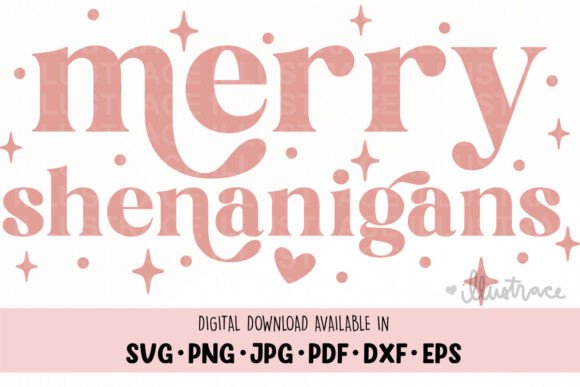
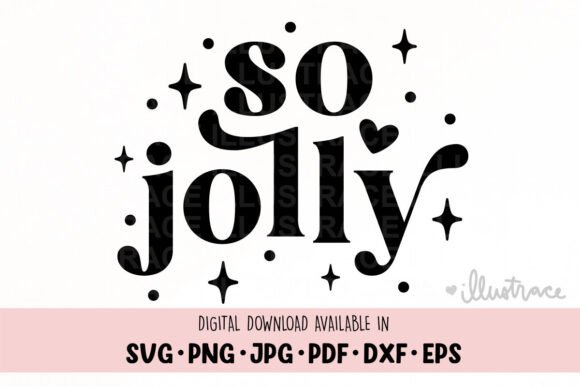
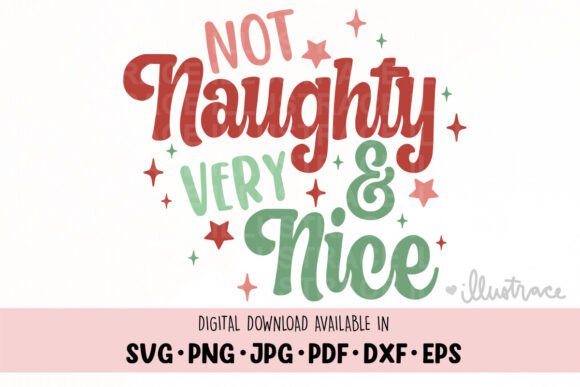
The immediate appeal of Merry Christmas - SVG lies in its versatility. It does not scream for attention with overly complex details that threaten to bunch up under the presser foot. Instead, it offers a clean, celebratory aesthetic that feels both traditional and modern. For those of us in the Crafts and Graphics space, we know that simplicity often sells better because it reads clearly from a distance. The layout suggests a design that respects negative space, which is crucial for maintaining the integrity of the fabric underneath.
When I first opened the zip file, I was pleased to see the variety of formats included: SVG, EPS, DXF, and PNG. Having a high-quality transparent PNG at 300 DPI is a significant bonus for creating printable mockups or digital product previews before committing thread to fabric. The fact that the files are 100% editable and color changeable means I am not locked into a preset palette. This flexibility is vital for matching specific brand colors or coordinating with seasonal trends.
Real-World Application: The Custom Tote Bag Test
To truly test the design, I imagined a common scenario for any Etsy seller or small shop owner: producing a batch of custom embroidered tote bags for holiday shoppers. Tote bags are typically made from canvas or heavy cotton, which provides a stable base for embroidery. I loaded the Merry Christmas - SVG into my digitizing software to simulate how it would behave on this textured surface.
The design held up remarkably well. Because the lines are distinct, the transition between thread colors remains sharp. On a tote bag, where the item is often used as a walking advertisement for the buyer’s style, clarity is key. A muddy or overly dense design would look amateurish after a few uses. This graphic, however, maintains its definition. It works beautifully as a central focal point or even as a smaller accent near the handle. For a handmade product intended to be gifted, this level of professionalism builds immediate customer trust.
Apparel and Wearables
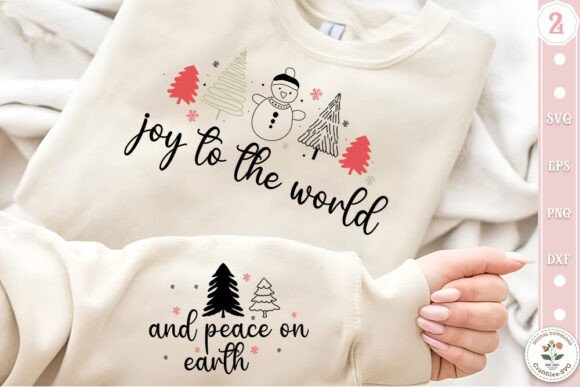
Moving beyond accessories, I considered how this design would perform on custom apparel, specifically sweatshirts and baby items. Sweatshirt embroidery requires careful attention to stitch density. If the design is too dense, the fabric puckers; if it is too light, the garment’s fleece shows through. Since I can edit the SVG and EPS files, I can adjust the underlay and fill stitches to suit the thickness of the material. For a sweatshirt embroidery project, I would likely increase the satin stitch width slightly to ensure coverage without adding excessive bulk.
For baby embroidery, softness is paramount. Parents do not want scratchy, raised stitching on delicate skin. The clean lines of Merry Christmas - SVG allow for a flatter stitch profile if digitized correctly. It is an ideal candidate for onesies or bibs, provided I use a soft stabilizer and keep the overall size modest. The festive theme makes it a perfect personalized gift for December birthdays or holiday family photos.
Technical Considerations and Potential Pitfalls
While the design is robust, it is not without its constraints. Experienced embroiderers know that every file has its limits. Here are a few areas where I would exercise caution:
- Small Hoop Sizes: If you attempt to shrink this design too much for a 4x4 hoop, fine details may merge. Always check the smallest element in the design against your machine’s minimum stitch length capabilities.
- Textured Fabrics: On highly textured materials like terry cloth or loose knits, the edges of the design might get lost. Using a cut-away stabilizer and potentially a topping can help the embroidery file sit cleanly on the surface.
- Dark Fabrics: If you are stitching on black or navy, ensure your thread colors have enough contrast. The transparent PNG allows you to test this visually before stitching. You may need to add a white underlay to prevent the fabric color from dulling the vibrancy of the top threads.
- Curved Surfaces: Applying this to a cap requires careful hooping. The design should be centered precisely, and you must account for the curvature of the crown. Distortion can occur if the design is too wide for the front panel.
Enhancing Product Value and Brand Consistency
For commercial embroidery professionals, the quality of your digital assets directly impacts your perceived value. A crisp, well-executed Merry Christmas - SVG elevates a simple towel or apron into a premium item. When customers see clean stitch lines and thoughtful placement, they associate that quality with your brand. This is particularly important for small business merchandise where repeat business relies on satisfaction.
Furthermore, the ability to customize colors means you can maintain brand consistency. If your shop uses a specific palette, you can adjust the SVG to match exactly. This attention to detail distinguishes a hobbyist from a professional craft business. It also allows for greater creativity in marketing. You can create various colorways for different product lines, using the same core design to build recognition.
Practical Designer Notes for Best Results
Before you run this design on a final product, I strongly recommend a few preparatory steps. First, always test on scrap fabric that matches your final material. This allows you to check tension and thread breakage without risking your inventory. Second, review the stitch density in your digitizing software. Even though the file is editable, understanding the default density helps you plan your stabilizer choice.
Third, consider the lighting. Take photos of your test stitch-out in natural light to see how the threads reflect. Sometimes, certain thread combinations look great on screen but clash in person. Finally, confirm the licensing terms. While the product description states you get editable files, always double-check whether the license covers unlimited commercial sales of finished physical items, especially if you are scaling up production for the holiday rush.
In conclusion, Merry Christmas - SVG is a reliable, versatile asset for the holiday season. It bridges the gap between digital convenience and tactile quality. Whether you are creating a tote bag design for a local market or an embroidered patch for a corporate gift, this file provides the flexibility and clarity needed for professional results. By respecting the technical limitations and leveraging the editable nature of the formats provided, you can create stunning, high-value products that resonate with customers.