Reviewing St. Patrick’s Glass Wrap SVG for Embroidery
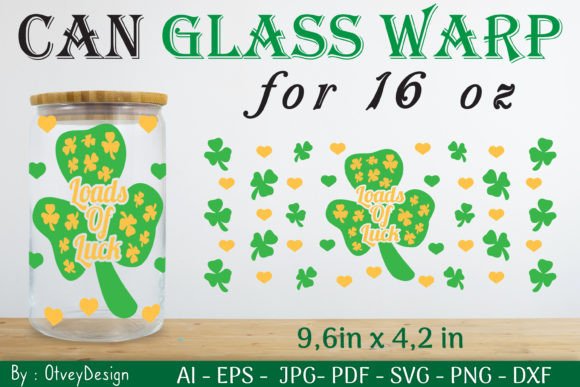
As a designer who spends half my life digitizing and the other half stitching, I have learned to look at digital files with a critical eye. We often see products labeled for specific uses, like the Can Glass Wrap 16 Oz Svg ST Patrick s, and assume they are strictly for vinyl cutting or heat transfer. However, the creative mind sees potential beyond the intended medium. Today, I am evaluating this graphic not as a glass wrap, but as a potential asset for machine embroidery projects. The question is: can a design meant for a curved glass surface translate effectively to fabric, thread, and hoop?
First Impressions and Visual Personality
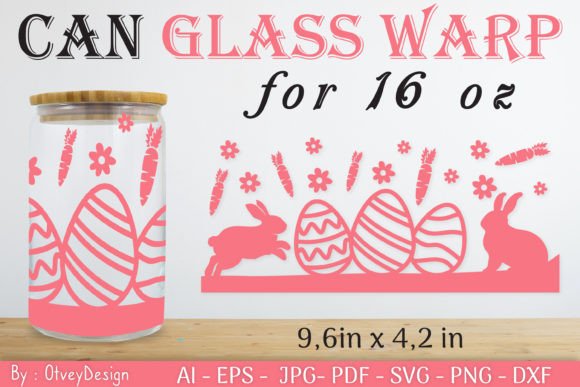
When I first opened the file for the Can Glass Wrap 16 Oz Svg ST Patrick s, my immediate observation was regarding its layout. Designs created for cylindrical objects, such as a 16 oz Libbey beer glass, typically feature a wide, horizontal aspect ratio. This is distinct from the vertical or square compositions we usually see in standard embroidery libraries. For an embroidery designer, this shape presents both a challenge and an opportunity. The horizontal spread suggests a design that could work beautifully on items with wide, flat surfaces, such as tote bags, aprons, or the lower hem of a sweatshirt.
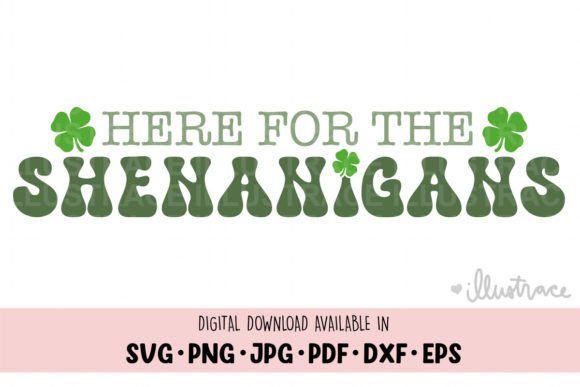
The theme is unmistakably festive. St. Patrick’s Day graphics rely heavily on recognizable symbols—shamrocks, luck-themed typography, and vibrant green palettes. In the context of Crafts and Graphics, this design likely carries a bold, celebratory mood. For embroidery, this means we are dealing with potential density. If the original SVG contains intricate details meant for high-resolution printing or vinyl cutting, those same details might become problematic when converted into stitches. My initial assessment focuses on whether the lines are thick enough to hold a satin stitch or if they require a fill stitch to maintain visibility on fabric.
Real-World Application: The Custom Tote Bag Scenario
To test the viability of this design, I imagined a real-life scenario: preparing a batch of custom tote bags for a local boutique’s St. Patrick’s Day sale. Tote bags are ideal for horizontal designs because they offer a broad canvas without the curvature complications of a cap or the stretch issues of a t-shirt. Using the Can Glass Wrap 16 Oz Svg ST Patrick s as a reference for placement, I visualized the design centered on the bag’s front panel.
In this application, the design’s width becomes an asset. A wide graphic anchors the product, giving it a professional, branded look rather than appearing like a small, leftover scrap design. However, the transition from a rigid glass wrap to a flexible fabric surface requires careful consideration of stitch density. If the original graphic has dense elements, stitching them out on a cotton canvas tote could cause puckering. I would recommend using a heavy-weight cut-away stabilizer to support the fabric and ensure the finished product lies flat. The visual appeal here relies on contrast; bright green threads against a natural or white canvas would make the St. Patrick’s motifs pop, enhancing the handmade product aesthetic.
Navigating Technical Constraints in Embroidery
While the concept is strong, the technical execution requires vigilance. The product description notes that this SVG is intended for a 16 oz glass can and can also be used as a heat transfer. It does not provide specific stitch counts, file formats like PES or DST, or compatibility details for embroidery machines. This is a crucial distinction for any Etsy seller or craft business owner. You cannot simply import an SVG into most embroidery software and expect a perfect result without manual digitizing or auto-digitizing adjustments.
If you plan to use this graphic for machine embroidery design purposes, you must consider the following technical hurdles:
- Detail Level: SVGs often contain thin lines that look crisp on paper or vinyl but break apart when stitched. Tiny lettering or intricate shamrock veins may need to be simplified or widened to accommodate a satin stitch or running stitch.
- Hoop Size: Because this is a wrap design, it may be wider than standard 4x4 or 5x7 hoops. You must confirm your machine’s maximum hoop size before committing to a project. If the design exceeds your hoop, you will need to split it, which can ruin the visual continuity of a wrap-style graphic.
- Fabric Texture: On textured fabrics like towels or fleece, fine details get lost. This design would perform better on smooth fabrics like poly-cotton blends or felt, where the thread colors and stitch definition remain sharp.
Strategic Use for Small Business Owners
For small shop product creators, versatility is key. While this file is categorized under Graphics, its utility extends to various design assets if handled correctly. Consider using the central motif of the wrap for embroidered patch creation. Patches allow you to stitch the design on a stable backing before applying it to garments, bypassing many stability issues associated with direct-to-garment embroidery. This is particularly useful for custom apparel like denim jackets or caps, where hooping the garment itself is difficult.
Furthermore, think about holiday embroidery trends. St. Patrick’s Day is a short but intense sales window. Having a unique, horizontally oriented design sets your personalized gift offerings apart from the sea of vertical monograms. You could apply this design to kitchen towels, creating a themed set that appeals to home decorators. The horizontal layout fits naturally across the border of a towel, offering a sophisticated alternative to corner placements.
Practical Designer Notes for Best Results
Before you list this as a digital embroidery file or use it in client work, follow these practical steps to ensure quality:
- Test on Scrap Fabric: Never stitch directly on your final garment. Use a similar fabric weight and type to test tension and density.
- Check Thread Contrast: St. Patrick’s themes are green-heavy. Ensure your background fabric provides enough contrast. If stitching on green fabric, use gold, white, or black threads to define the shapes.
- Verify Licensing: The product description does not explicitly state commercial licensing terms for embroidery. Always confirm with the seller whether you can sell finished items made with this design. This is vital for maintaining customer trust and legal compliance.
- Mockup in Black and White: Convert the design to grayscale in your digitizing software. This helps you identify areas that are too dense or too light, ensuring the stitching clarity is maintained regardless of color choices.
- Consider Applique: If the design has large solid areas, consider converting it to an applique design. This reduces stitch count, saves time, and adds a textured, professional finish to sweatshirt embroidery or baby embroidery projects.
Final Verdict on Project Viability
The Can Glass Wrap 16 Oz Svg ST Patrick s is a versatile graphic that, with proper digitizing attention, can elevate your embroidery project lineup. It is not a plug-and-play embroidery file, but rather a source material that rewards creative adaptation. For commercial embroidery professionals, it offers a unique horizontal layout that stands out in a market saturated with standard vertical designs. Whether you are creating tote bag design concepts, printable mockup previews for your online store, or bespoke holiday gifts, this design holds promise.
Success lies in respecting the limitations of thread and fabric. By adjusting stitch density, choosing the right stabilizer, and selecting appropriate hoop sizes, you can transform a simple glass wrap graphic into a high-value textile asset. For the discerning maker, this is not just a download; it is a starting point for craftsmanship.