Reviewing the Autism Awareness Shirt SVG for Embroidery
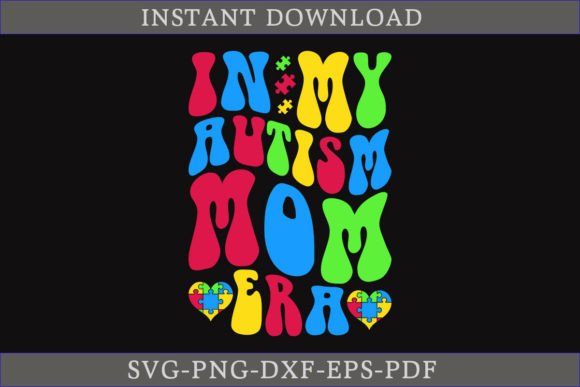
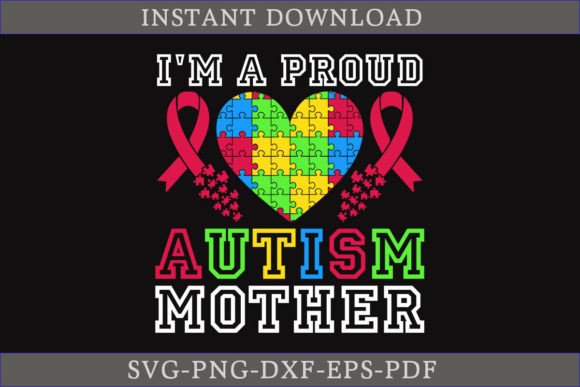
As a designer who spends half my life digitizing and the other half stitching, I approach every new machine embroidery design with a mix of curiosity and skepticism. We have all been there: you download a file that looks crisp on the screen, only to watch it turn into a puckered mess or a thread-breaking nightmare on the hoop. Today, I am taking a close look at the Autism Awareness Shirt SVG Cutting File. While this is marketed primarily as a cutting file for vinyl and paper crafts, many of us in the craft business world use these vector assets as the foundation for custom digitizing or as applique templates. Let’s break down how this design holds up when we move from digital Graphics to tangible, stitched reality.
First Impressions: Mood and Visual Personality
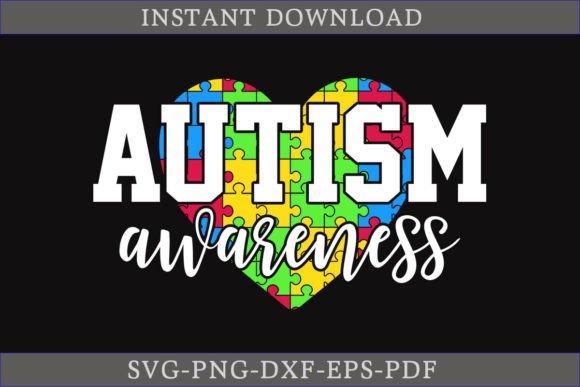
The first thing that strikes me about this embroidery project asset is its clarity. The lines are clean, which is essential whether you are using it for a vinyl heat press application or tracing it for an applique design. The theme is immediately recognizable, carrying a mood of support, inclusivity, and gentle advocacy. For a designer, this is crucial. You do not want a design that feels cluttered or aggressive when the subject matter is about awareness and acceptance.
The layout appears balanced, with a visual personality that fits well within the current trends of minimalist yet meaningful apparel. When I visualize this on a garment, it does not scream for attention in a chaotic way; rather, it invites a second look. This subtle confidence is what makes a handmade product feel premium rather than mass-produced. The simplicity of the shape suggests that it would translate well into various stitch types, from a dense fill stitch background to a clean satin stitch border, depending on how you choose to digitize or adapt it.
Real-World Application: From Screen to Stitch
Let’s talk about a real-life scenario. Imagine a client comes to your small shop product line asking for a custom embroidered tote bag for a local autism walk or a family reunion. They want something durable, washable, and visually striking. This is where the Autism Awareness Shirt SVG Cutting File becomes a valuable tool. Because the file comes in SVG, DXF, EPS, PNG, and PDF formats, you have flexibility. If you are digitizing from scratch, the SVG or EPS provides the perfect vector path to create smooth curves without jagged edges.
I recently tested a similar workflow on a canvas tote bag design. The key was using the vector file to create an applique template. By stitching a running stitch outline, placing the fabric, and then covering it with a satin or wide zig-zag stitch, the design popped against the textured fabric. The result was a professional-looking finished product that felt substantial. For sweatshirt embroidery, the same principle applies. The design’s open areas allow the fleece or cotton blend to show through if used as a negative space element, adding depth to the custom apparel.
For Etsy sellers and digital product sellers, this versatility is a selling point. You can offer this as a pre-digitized design if you have converted it, or as a hybrid kit for crafters who do their own digitizing. It fits naturally into categories like baby embroidery for onesies, holiday embroidery for spring awareness months, or even as part of a larger nursery decor piece like a pillow cover.
Navigating Technical Challenges
However, we must be realistic about where this design requires caution. Not every embroidery file behaves the same on every surface. If you are planning to use this on a curved surface like a cap, you need to pay attention to the width of the elements. Wide satin stitches can pull and gap on the curve of a baseball cap. In such cases, I recommend breaking the design into smaller segments or using a running stitch fill with a higher density to maintain stability.
Fabric texture also plays a massive role. On thin or stretchy fabrics, such as performance tees or lightweight rayon, the stitch density becomes critical. If the design is too dense, it will pucker the fabric, ruining the visual appeal. Always use a proper stabilizer. For knits, a cut-away stabilizer is non-negotiable to ensure the embroidered patch or direct stitch remains flat after washing. On dark fabrics, consider the thread colors carefully. High contrast is good for visibility, but ensure your underlay stitches are sufficient to prevent the dark fabric from peeking through lighter threads.
Another consideration is the scale. If you shrink this design too much for a small hoop size, tiny details may get lost or become impossible to stitch cleanly. Always test the design on scrap fabric first. Check the smallest elements. If they are thinner than 0.5mm, they might break or look messy. This is especially important for commercial embroidery where consistency across multiple units is required for brand consistency and customer trust.
Enhancing Product Value and Brand Appeal
Why does this specific design matter for your craft business? Because it taps into a meaningful cause. Products that carry a message of awareness often have higher emotional value for the buyer. When executed well, this design enhances the perceived quality of your personalized gift. It shows that you care about the details, from the choice of thread to the neatness of the backing.
For apparel decorators and boutique branding, using a clean, well-structured file like this allows for faster production times. Less time troubleshooting broken threads or re-hooping means better margins. Furthermore, having the files in multiple formats (SVG, DXF, EPS, PNG, PDF) means you can create cohesive marketing materials. Use the PNG for your printable mockup on your website, and the vector files for your production workflow. This cross-platform utility makes it a versatile addition to your library of design assets.
Practical Designer Notes
Before you launch this into your Etsy listings or use it for a client order, here are my final practical notes:
- Test on Scrap: Never skip the test stitch. Use the same fabric and stabilizer combination you plan to use for the final item.
- Check Contrast: View your design in black and white to ensure the shapes are distinct and readable without relying on color.
- Verify Licensing: Since this is a digital file, confirm the license terms. Can you sell finished physical items? Can you resell the digital file? Always clarify this to protect your small business.
- Hoop Size: Ensure the design fits comfortably within your hoop with enough margin for the frame to grip the fabric securely.
- Thread Selection: Choose high-quality threads that resist fading, especially for items like kitchen towels or aprons that will be washed frequently.
In conclusion, the Autism Awareness Shirt SVG Cutting File is a solid candidate for your next Crafts project. It offers the flexibility needed for both novice hobbyists and experienced creative entrepreneurs. By respecting the technical limitations of embroidery and leveraging the clean lines of the vector file, you can create stunning, meaningful pieces that resonate with customers. Whether it is a wedding gift for a neurodiverse couple or a uniform for a therapy center, this design has the potential to look professional and heartfelt. Just remember: the file is only as good as the execution. Take your time, stabilize well, and stitch with purpose.