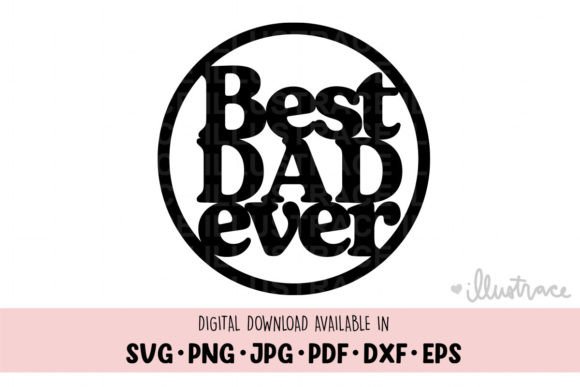
Reviewing the Best Dad Ever Father’s Day SVG PNG for Embroidery
As a designer who spends more time staring at stitch maps than I do sleeping, I have learned that not every digital file translates well to thread. We see thousands of design assets flood the market every season, but only a handful survive the transition from screen to fabric. Recently, I pulled the Best Dad Ever Father s Day SVG PNG into my workspace to evaluate its potential for real-world application. This isn’t just about whether the lines look clean on a monitor; it is about how this machine embroidery design behaves under the needle, how it sits on textured fabrics, and whether it holds up as a viable product for a craft business.
First Impressions: Mood and Visual Personality
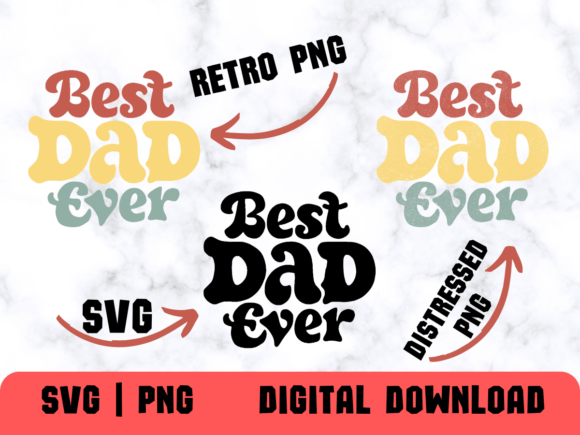
When I first unzipped the file package, my immediate focus was on the clarity of the vector paths in the included SVG. The mood of this design is warm, celebratory, and unmistakably masculine without being overly rugged. It strikes a balance that is essential for holiday embroidery projects: it feels personal but professional. For an Etsy seller or a boutique owner, this visual personality is crucial. You want a design that communicates affection instantly, even from across a craft fair table.
The layout appears straightforward, which is often a blessing in disguise. Complex, overly detailed graphics can become nightmares when converted to stitches, leading to excessive thread breaks and puckering. This design, however, seems built for readability. Whether you are creating a personalized gift for a client or stocking your small shop product lineup, the clear typography and balanced composition suggest it will stitch out cleanly. It avoids the trap of tiny, fragile details that get lost in the fabric weave, making it a strong candidate for both beginners and seasoned embroidery designers.
Real-World Application: From Digital File to Finished Product
To truly test the viability of the Best Dad Ever Father s Day SVG PNG, I imagined several production scenarios. The most obvious application is custom apparel. Picture this design centered on the chest of a heather grey sweatshirt. The high-resolution PNG files included in the pack allow for crisp printable mockup creation, which is vital for online listings. But beyond the mockup, how does it perform?
For sweatshirt embroidery, the design’s structure likely benefits from a combination of fill stitch for broader areas and satin stitch for borders or text outlines. If the SVG is editable, as indicated, you have the flexibility to adjust letter spacing or size to fit different garment cuts. This adaptability is key for commercial embroidery where one size rarely fits all. I also considered this design for a sturdy canvas tote bag design. Here, the boldness of the graphic would stand out against the coarse fabric texture, providing a durable and stylish accessory for dad’s weekend trips.
Another compelling use case is the embroidered patch. Patches have seen a resurgence in popularity, and this design’s self-contained shape makes it ideal for iron-on or sew-on applications. Using a running stitch for internal details could reduce bulk, ensuring the patch lies flat when attached to a jacket or cap. For baby embroidery projects, such as a onesie or a burp cloth, the design might need to be scaled down significantly. This is where checking the stitch density becomes critical. If the original file is too dense, scaling it down could result in a stiff, cardboard-like feel that is uncomfortable against sensitive skin.
Navigating Technical Challenges and Fabric Constraints
While the design shows promise, practical experience dictates caution in specific areas. One major consideration is the hoop size. If you are working with a standard 4x4 hoop, you must ensure the design fits without encroaching on the edges, which can cause needle hits. For larger items like pillow covers or aprons, a 5x7 or 6x10 hoop might be necessary to allow for proper placement and stability.
Stabilizer selection is another non-negotiable factor. For stretchy fabrics like t-shirts or jersey knits, a cut-away stabilizer is essential to prevent distortion during washing. For woven fabrics like tea towels or denim, a tear-away might suffice, but testing is mandatory. I always advise reviewing the design in black and white mockups first. This helps identify potential contrast issues. If you are stitching white thread on a light-colored shirt, the design might vanish. Conversely, dark thread on dark fabric requires precise tension control to maintain definition.
Curved surfaces, such as caps or hats, present their own set of challenges. The Best Dad Ever Father s Day SVG PNG may need adjustment for curvature. Digitizing for caps often requires shorter stitch lengths and specific underlay strategies to prevent gaps. If you are new to hat embroidery, start with a flat surface like a kitchen towel or a straight-brimmed cap before attempting complex curves. Additionally, be mindful of thread colors. While the design might look great in traditional navy and gold, experimenting with contrasting colors can elevate the handmade product from generic to gourmet.
Commercial Viability and Brand Consistency
For those running a craft business, the value of a design extends beyond aesthetics. It impacts brand consistency and customer trust. A clean, well-executed finished product reinforces your reputation for quality. The inclusion of both SVG and PNG formats in this package is a significant advantage. The SVG allows for scalability and editing in design software, while the high-resolution PNGs are perfect for sublimation prints or digital marketing materials. This versatility means you can offer the same design across multiple product lines, from apparel decorators to home decor items.
However, always verify your software compatibility. The product description notes that you should check if your software supports the provided files. This is a standard but crucial step. Not all embroidery machines read SVGs directly; many require conversion through specialized digitizing software. Ensure you have the right tools to translate the vector data into machine-readable stitch files. Furthermore, confirm the licensing terms. If you plan to sell items featuring this design, ensure the license permits commercial use. Protecting your legal standing is just as important as protecting your thread tension.
Practical Designer Notes for Success
Before you commit to a full production run, follow these practical steps:
- Test on scrap fabric: Always stitch a sample on the same material you intend to use for the final product. This reveals issues with tension, density, and stabilizer choice.
- Check thread contrast: Use a color wheel to select threads that pop against your fabric background. Avoid low-contrast combinations unless aiming for a subtle, tonal effect.
- Inspect small details: Zoom in on the SVG to ensure no nodes are overlapping or paths are broken. Clean vectors lead to cleaner stitches.
- Verify hoop size: Measure your design dimensions against your available hoops. Leave at least half an inch of margin around the design for safety.
- Review stitch density: If the design feels too stiff after stitching, consider reducing the density in your digitizing software or using a lighter weight stabilizer.
In conclusion, the Best Dad Ever Father s Day SVG PNG offers a solid foundation for a variety of embroidery project types. Its strength lies in its simplicity and emotional resonance. By paying attention to technical details like stabilizer choice, fabric type, and stitch optimization, you can transform this digital asset into a high-value personalized gift or a best-selling item in your small shop product catalog. Remember, great embroidery is not just about the design; it is about the execution. Treat this file with the care it deserves, and it will reward you with professional results.