Biohazard Yellow Sign: A Designer’s Review
As an experienced embroidery designer, I spend a significant amount of time sifting through digital assets to find graphics that translate well from screen to stitch. Most design assets look fantastic in a vector preview but fall apart under the needle. Recently, I evaluated the Biohazard Yellow Sign. Death Danger Aler for a potential client project, and it offered a fascinating case study in how bold, graphic symbols perform in a machine embroidery design context.
The product description lists this as a biohazard yellow sign with a death danger alert theme, available in EPS, JPG, SVG, and transparent PNG formats. While these are standard Graphics files rather than a pre-digitized embroidery file, the visual clarity of the source art is the first critical factor in determining its viability for stitching. Here is my practical assessment of using this graphic for real-world Crafts and commercial applications.
First Impressions: Bold Graphics Meet Textile Reality
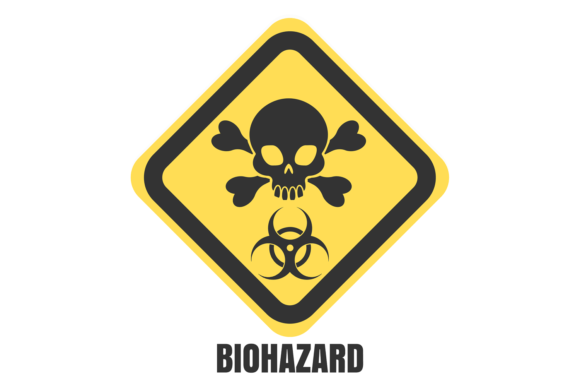
The immediate mood of the Biohazard Yellow Sign. Death Danger Aler is industrial, urgent, and edgy. The high-contrast yellow and black color scheme is instantly recognizable, tapping into a visual language associated with caution and hazard. For an embroidery project, this strong geometric layout is a double-edged sword. On one hand, the clear lines and distinct shapes are ideal for clean stitching. On the other hand, the "danger" aesthetic limits its application to specific niches.
When I first opened the SVG and PNG files, I looked for sharp edges and closed paths. The isolation on a white background in the JPG and PNG versions makes it easy to trace or use as a reference for digitizing. The transparency in the PNG is particularly useful for creating quick printable mockup previews before committing to thread. The design does not rely on subtle gradients or photorealistic details, which is a relief. In embroidery, simplicity often equals durability. This graphic’s blocky nature suggests it would hold up well against the texture of fabric, provided the digitization respects the original geometry.
Real-World Application: The Edgy Tote Bag Scenario
To test the viability of this design, I imagined a specific real-life scenario: a custom order for a local streetwear boutique looking to launch a line of utilitarian tote bag design concepts. The client wanted something that screamed "industrial chic" without being overly complex. The Biohazard Yellow Sign. Death Danger Aler fit this brief perfectly.
For a heavy canvas tote, this graphic would work exceptionally well as a large central motif. Using a combination of satin stitch for the borders and a dense fill stitch for the yellow background would create a tactile, raised effect that adds value to the handmade product. The boldness of the symbol ensures it remains legible even from a distance, which is crucial for apparel and accessories meant to make a statement. It is not a delicate floral pattern; it is a statement piece. This makes it suitable for custom apparel like hoodies, workwear jackets, or even rugged backpacks where durability and visual impact are prioritized over softness.
However, I would hesitate to use this exact theme for baby embroidery or gentle nursery decor unless the client specifically requested an ironic or punk-rock aesthetic. The "death danger" connotation is strong. Context matters immensely. While it could work for a playful "hazardous material" themed birthday gift for a teenager, it lacks the warmth typically associated with traditional personalized gift items like baby blankets or wedding linens.
Technical Considerations for Stitching
Since the product provides vector and raster images (EPS, SVG, JPG, PNG) rather than a native embroidery format, the responsibility falls on the designer to digitize it correctly. Here are the critical technical notes I considered during my evaluation:
- Stitch Density and Stability: The large yellow areas will require significant coverage. If you use a solid fill, the stitch density must be balanced to prevent puckering, especially on lighter fabrics. A proper stabilizer is non-negotiable here. I recommend a cut-away stabilizer for garments that will be washed frequently, as the weight of the stitches can distort thin materials.
- Thread Colors: The success of this design hinges on contrast. You need a vibrant, high-vis yellow thread and a deep, true black. If your machine’s yellow thread is pale or your black is faded, the "warning" effect is lost. Always test your thread colors on scrap fabric before starting the final embroidery project.
- Small Details and Corners: The biohazard symbol has sharp angles and intersecting curves. When digitizing, ensure that the needle penetrations at these corners are secure to prevent looping. Tiny lettering, if included in the "alert" portion of the design, should be avoided or significantly enlarged. Small text rarely survives the washing machine intact in embroidery.
- Fabric Texture: This design performs best on smooth, tightly woven fabrics like cotton twill, denim, or canvas. Avoid stretchy knits unless you are using a hoop frame system designed for them, as the dense stitching can cause the fabric to gather. For sweatshirt embroidery, ensure the fleece is stabilized properly to handle the weight of the fill stitches.
Commercial Viability and Brand Consistency
For Etsy sellers and small shop owners, the Biohazard Yellow Sign. Death Danger Aler offers a niche appeal. It is not a universal design, but that is its strength. It targets a specific demographic interested in industrial, gothic, or safety-themed aesthetics. This specificity can help a craft business stand out in a saturated market of floral and monogram designs.
When creating digital embroidery file listings or finished products, presentation is key. Use the transparent PNG to overlay the design on various product mockups—caps, patches, and aprons—to show versatility. An embroidered patch featuring this symbol could be a high-margin item, as patches allow for dense stitching without worrying about garment distortion. They are also easier to ship and store, making them ideal for small shop product lines.
However, always verify licensing. Since the source files are general graphics, ensure you have the right to use the underlying symbol commercially in your region. Most biohazard symbols are public domain, but the specific artistic rendition might have restrictions. Confirm licensing before selling finished products or commercial embroidery services to avoid legal issues.
Final Verdict
The Biohazard Yellow Sign. Death Danger Aler is a potent graphic for the right project. It is not a versatile, all-purpose design, but for industrial-themed holiday embroidery, edgy streetwear, or utility-focused gear, it excels. Its clean lines and high contrast make it a forgiving candidate for digitization, provided you manage stitch density and stabilization carefully.
Before committing to a large run, I strongly advise creating a test stitch-out on the actual fabric you plan to use. Check the registration of the yellow and black sections, ensure the edges are crisp, and verify that the hoop size accommodates the full design without cropping. With careful execution, this graphic can elevate a simple item into a standout piece of wearable art, proving that even warning signs have their place in creative design.