Jesus is the Answer SVG: A Designer’s Review
As an embroidery designer who has spent years digitizing and stitching thousands of designs, I approach every new digital embroidery file with a mix of curiosity and skepticism. We have all been there: you download a beautiful preview image, only to find the actual stitch file is a mess of jumps, excessive density, or poor pathing. That is why when I recently evaluated the Jesus is the Answer SVG Cut File, I looked past the marketing gloss to see how it actually performs on the hoop. This is not just about having a pretty picture; it is about creating a handmade product that holds up to washing, wearing, and customer scrutiny.
First Impressions and Visual Personality
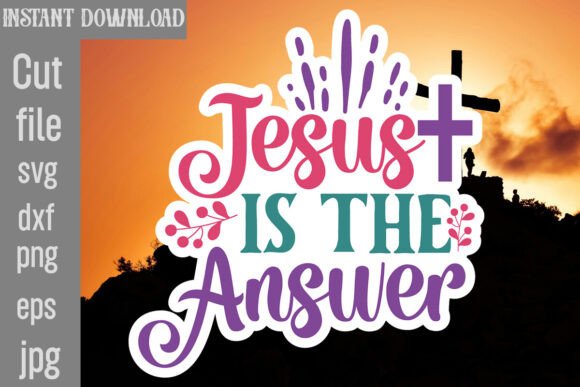
The first thing that strikes you about this design is its clarity. In the world of Crafts and faith-based Graphics, simplicity often wins. The phrase "Jesus is the Answer" carries weight, and the typography needs to reflect that stability without feeling heavy or outdated. Upon opening the files, I noticed the clean lines and balanced spacing. For an embroidery project, this is crucial. Complex, swirling scripts can look elegant on a screen but turn into a bird’s nest of thread on fabric if the digitizer did not account for pull compensation and underlay.
The mood here is reassuring and bold. It does not try to be overly decorative, which makes it versatile. Whether you are aiming for a modern minimalist aesthetic or a traditional rustic look, the design adapts well. The visual personality suggests confidence, making it an excellent choice for items meant to inspire or comfort. When I visualize this stitched out, I see it working best with strong, contrasting thread colors against neutral backgrounds, allowing the message to take center stage without visual noise.
Real-World Application: The Custom Tote Bag Test
To truly understand the value of the Jesus is the Answer SVG Cut File, I imagined a specific real-life scenario: a custom order for a local church bookstore. They needed a batch of durable canvas tote bag design options for their spring outreach program. This is where the rubber meets the road. Canvas is a textured, heavy fabric that can chew up delicate stitches if the density is too low, or pucker badly if the density is too high.
I considered how this design would sit on a standard 15x15 inch hoop. The layout of the text allows for a generous size, ensuring readability from a distance. If I were stitching this for a sweatshirt embroidery project, the same principles apply. The design needs enough substance to stand out against the fuzzy texture of fleece or cotton blends. In my mental mockup, I paired the design with a classic navy thread on a natural cream canvas. The result? High contrast, excellent legibility, and a professional finish that looks like it belongs in a boutique, not just a hobbyist’s drawer. This kind of reliability is what builds trust with clients who expect their personalized gift to last.
Versatility Across Product Lines
Beyond tote bags, this design shines in several other areas. For baby embroidery, scaling down the design for a onesie or a burp cloth requires careful attention to detail. You must ensure that the smaller version does not lose its integrity. Since this is a text-based design, the stroke width becomes critical. If the letters become too thin at a smaller scale, they may break during stitching or wash-out. However, given the robust nature of the font style typically associated with this phrase, it likely holds up well when resized proportionally.
For holiday embroidery or seasonal gifts, this design serves as a year-round staple. It fits seamlessly into Easter baskets, Christmas stockings, or back-to-school apparel. For Etsy sellers and small shop product creators, having a design that works across multiple seasons reduces the need for constant new inventory. It is a evergreen asset in your library of design assets.
Technical Considerations and Stitching Advice
While the design is strong, no digital file is immune to user error. Here are some practical notes for those planning to use this machine embroidery design in commercial or personal projects.
- Fabric Texture and Stabilizer: Always match your stabilizer to your fabric. For stretchy fabrics like t-shirts, a cut-away stabilizer is non-negotiable to prevent distortion. For woven fabrics like aprons or pillow covers, a tear-away might suffice, but test first. The fabric texture can hide minor imperfections, but it can also exaggerate poor tension.
- Stitch Density and Type: Although the package includes various formats like SVG, DXF, and PNG, remember that for embroidery, you need a proper digitized file (usually PES, DST, or JEF depending on your machine). If you are converting the SVG yourself, pay close attention to stitch density. Text designs often benefit from a combination of satin stitch for smaller elements and fill stitch for larger blocks, though this specific design likely relies on clean, single-line or columnar stitching. Avoid excessive running stitch outlines if they are not necessary, as they can look cheap on finished goods.
- Hoop Size Constraints: Check your machine’s maximum hoop size. If you plan to stitch this on a cap, you will need a curved hoop and potentially a split design if the text is wider than the cap’s front panel. Curved surfaces distort designs, so always run a test stitch on a similar curved scrap piece.
- Color Contrast: Test your design in black and white mockups first. If the design disappears in grayscale, it lacks sufficient contrast for certain fabric combinations. This is a quick way to gauge readability before threading your machine.
Commercial Viability and Brand Consistency
For commercial embroidery professionals, the license terms are paramount. The product description mentions a bundle of 20 diverse files in SVG, DXF, EPS, PNG, and JPEG formats. It is suited for various uses, but you must confirm whether the license allows for the sale of physical finished products. Most designers allow this, but selling the digital file itself is usually prohibited. Always read the specific license included in your download.
Using the Jesus is the Answer SVG Cut File can enhance your brand’s perceived value. A clean, well-stitched design signals professionalism. It shows that you care about quality, which encourages repeat business. For craft business owners, consistency is key. If this design fits your aesthetic, use it across multiple product lines—aprons, towels, and apparel—to create a cohesive collection. This helps customers recognize your brand and associate it with quality faith-based items.
Final Verdict for Makers
In conclusion, the Jesus is the Answer SVG Cut File is a solid addition to any designer’s library, provided it is used with technical awareness. It is not just a graphic; it is a tool for creating meaningful finished product items. Whether you are making a custom apparel piece for a client or stocking your online store with embroidered patch options, this design offers the clarity and impact needed for effective communication.
Remember to test on scrap fabric, check your tension, and choose your threads wisely. The difference between a good product and a great one often lies in these small details. By treating this digital asset with the respect it deserves, you can create items that not only look beautiful but also resonate deeply with those who receive them. Happy stitching!