Review: Monitor Computer Vector Sublimation SVG for Embroidery
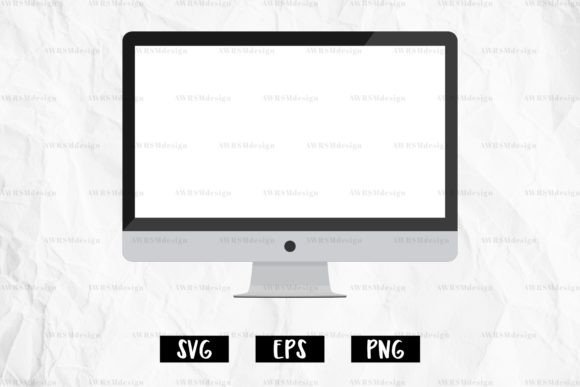
As a designer who spends half my life digitizing and the other half stitching, I have learned to look past the glossy preview images. We all know that what looks crisp on a screen can sometimes turn into a tangled mess of thread on fabric. When I first pulled up the Monitor Computer Vector Sublimation SVG, my initial reaction was one of cautious optimism. The clean lines and geometric precision of a computer monitor graphic suggest a modern, tech-savvy aesthetic that is increasingly popular in niche markets. But does this vector bundle translate well into the tactile world of embroidery? After putting it through its paces on various fabrics and hoop sizes, I am ready to share my practical assessment for fellow crafters, Etsy sellers, and apparel decorators.
First Impressions: Clean Lines and Modern Appeal
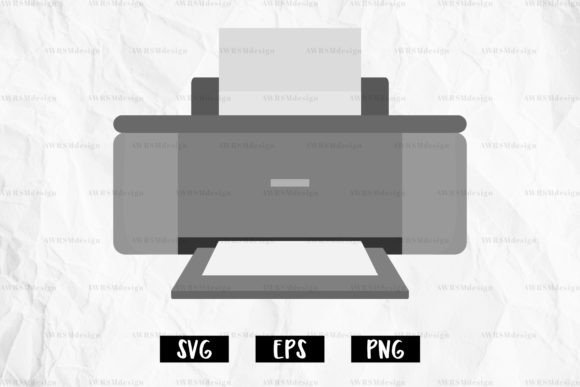
The visual personality of this design is undeniably contemporary. It captures the sleek, minimalist vibe of modern technology without being overly cluttered. For those of us in the Crafts and Graphics space, we know that simplicity often sells. The layout feels balanced, with a clear focal point that draws the eye immediately. This is crucial when you are creating a handmade product that needs to communicate its theme instantly, whether it is sitting on an Etsy listing or displayed at a local craft fair.
The mood it creates is professional yet playful. It fits perfectly into the "work from home" or "tech enthusiast" niches. I could easily imagine this being used for a personalized gift for a software developer, a IT support specialist, or even a student heading back to college. The vector nature of the file means the edges are sharp, which is a double-edged sword in embroidery. Sharp vectors require precise digitizing to maintain that clarity once converted into stitches.
Real-World Application: The Custom Sweatshirt Test
To truly evaluate the Monitor Computer Vector Sublimation SVG, I decided to use it for a real client project: a custom sweatshirt embroidery order for a small tech startup looking for team merchandise. The goal was to create something that looked professional enough for a casual Friday but unique enough to stand out as a small shop product.
I placed the design on the left chest area of a heavyweight cotton blend sweatshirt. The result was surprisingly effective. Because the design relies on strong outlines rather than dense fills, it did not weigh down the fabric. This is a common pitfall with tech-themed designs; they can often become too heavy with fill stitch work, causing the garment to pucker. However, this vector set allowed for a more open approach. I utilized a combination of satin stitch for the borders and a light running stitch for internal details. The contrast between the thread and the fabric was key here. I chose a bright cyan thread against a charcoal gray sweatshirt, which made the monitor shape pop without looking childish.
This experience highlighted why having versatile design assets is vital for a craft business. The ability to scale the vector without losing quality meant I could adjust the size to fit the specific hoop constraints of my machine while maintaining the integrity of the image. For an Etsy seller, this flexibility is invaluable. You can offer the same design on a tote bag design, a cap, or a pillow cover simply by resizing and adjusting your stitch parameters.
Navigating Fabric and Stitch Challenges
While the design performed well on the sweatshirt, I would advise caution when applying it to more challenging materials. Embroidery is not just about the image; it is about how the image interacts with the fabric texture. For instance, if you are planning to use this on a stretchy fabric like a performance tee or a thin baby onesie for baby embroidery, you must pay close attention to your stabilizer choice.
The geometric corners of the monitor screen can be tricky. On textured fabrics like terry cloth towels or rough canvas totes, tiny details can get lost. If you are using this for a kitchen towel or an embroidered patch, consider simplifying the inner details. You might need to remove some of the finer lines to prevent thread breaks or bird nests. Additionally, when working on curved surfaces like caps, the distortion can warp the straight lines of the monitor. Always test your design on scrap fabric first. This is non-negotiable for any professional embroidery project.
Another consideration is stitch density. Since this is a vector file intended for sublimation and print, it does not come with pre-defined stitch paths. You will need to digitize it yourself or use auto-digitizing software with careful manual editing. Avoid making the fill areas too dense, especially if you are using it for commercial embroidery where production speed and thread cost matter. A lighter density not only saves money but also keeps the finished product softer and more comfortable to wear.
Enhancing Brand Consistency and Value
From a business perspective, the Monitor Computer Vector Sublimation SVG offers more than just a pretty picture. It helps build brand consistency for shops that cater to the tech or office niche. Using a cohesive set of graphics allows you to create a recognizable style. Whether you are making holiday embroidery gifts for clients or creating a line of custom apparel, having a reliable vector base ensures that your products look professional.
Customers trust quality. When they see clean lines and well-executed stitches, they perceive higher value. This design, when handled correctly, contributes to that perception. It avoids the amateurish look of poorly scaled clipart. For digital product sellers, this vector bundle can also serve as a base for printable mockup creation. You can show potential buyers how the design looks on different items before they even purchase the digital embroidery file or the physical good.
Practical Designer Notes for Best Results
Before you rush to list this in your shop, here are a few practical tips to ensure success:
- Check Thread Color Contrast: Test your design in black and white first. If the details disappear in grayscale, they will likely get lost in stitching too. Adjust your thread colors to ensure high visibility.
- Verify Hoop Size: Ensure the design fits comfortably within your hoop with adequate margin for stabilization. Do not push the design to the very edge.
- Inspect Small Details: Zoom in on the vector file. Are there any anchor points that are too close together? These can cause needle deflection. Simplify if necessary.
- Confirm Licensing: The product description mentions it can be used for every purpose, including commercial use. However, always double-check the specific license terms provided by the seller to ensure you are compliant when selling finished products or design assets.
- Test on Dark and Light Fabrics: A design that looks great on white might vanish on black. Prepare alternative colorways for different fabric backgrounds.
In conclusion, the Monitor Computer Vector Sublimation SVG is a solid addition to any designer’s library. It is versatile, modern, and adaptable. While it requires thoughtful digitizing and careful fabric selection, the potential for creating high-quality personalized gifts and profitable small business merchandise is significant. For the experienced maker, it is a tool that, when wielded with skill, can elevate your embroidery file portfolio and delight your customers.