Review: Stop Wishing Start Doing SVG Cut File
As a designer who has spent countless hours digitizing motifs and testing files on various machines, I have learned that the gap between a digital preview and a stitched reality is often wider than we expect. When I first encountered the Stop Wishing Start Doing SVG Cut File, my initial reaction was not just about the aesthetic appeal of the typography, but about its structural integrity for real-world application. This is not merely a graphic; it is a tool for creators in the Crafts and Graphics sectors who need reliability. In this review, I am evaluating this design from the perspective of an experienced embroidery product reviewer, focusing on how it performs in actual production environments rather than just how it looks on a screen.
First Impressions and Visual Personality
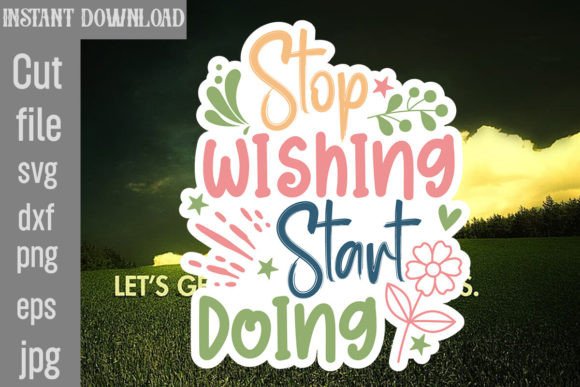
The phrase "Stop Wishing Start Doing" carries a motivational weight that resonates deeply with entrepreneurs, makers, and anyone looking to pivot from dreaming to executing. Visually, the design relies on strong, clean lines. For an embroidery designer, this is both a blessing and a challenge. Clean lines suggest clarity, but they also expose any imperfections in stitch placement or tension. The mood created by this design is assertive yet encouraging. It does not rely on overly ornate flourishes that can become muddy when stitched out on textured fabrics. Instead, it offers a modern, minimalist personality that fits seamlessly into contemporary home decor and apparel.
When I imagine this design on a finished product, I see it working best where readability is paramount. The layout appears balanced, with a visual weight that suggests it can hold its own on larger surfaces like tote bags or sweatshirts without looking sparse. However, the simplicity means that every curve and corner must be precise. In the world of machine embroidery design, simple does not always mean easy. It requires a high level of confidence in the file’s underlying structure.
Real-World Application: From Digital File to Stitched Product
To truly understand the value of the Stop Wishing Start Doing SVG Cut File, I mentally placed it into several common production scenarios. Let us consider a custom embroidered tote bag. Tote bags are typically made from canvas or heavy cotton, which have a distinct weave. A design like this needs to bridge the gaps in the fabric texture without pulling the material out of shape. If the stitch density is too low, the background fabric will show through the letters, ruining the contrast. If it is too high, the bag will pucker and become stiff.
Another practical scenario is custom apparel, specifically a heavyweight sweatshirt. Sweatshirt embroidery is popular for small business merchandise because it feels premium. Here, the embroidery file must navigate the loft of the fleece. The design’s bold nature suggests it would look striking on the chest or back of a hoodie. For Etsy sellers and craft business owners, this versatility is key. You are not limited to one niche; this design can transition from a gym bag to a corporate gift item with ease.
I also considered its use in baby embroidery. While the message is more suited to adults or older children, the clean aesthetic could work on a nursery pillow cover or a blanket for a new parent who is starting a business or a creative project. The key here is scale. Reducing the design for smaller items requires careful attention to detail to ensure the letters do not merge together.
Technical Considerations and Potential Pitfalls
While the design is promising, there are areas where caution is necessary. One major concern with text-based designs is the handling of tight corners and small apertures, such as the inside of the letter "O" or "A". In embroidery, these areas are prone to thread buildup or gaps if the digitizing is not sharp. Before committing to a large batch of products, I strongly advise testing the design on scrap fabric that matches your final product. This allows you to check the stitch density and adjust your stabilizer accordingly.
Fabric choice plays a critical role. On stretchy fabrics like jersey t-shirts, this design requires a robust cut-away stabilizer to prevent distortion. The horizontal span of the phrase means that any instability in the hoop will result in wavy text, which looks unprofessional. For dark fabrics, you must consider thread color contrast. A light thread on dark fabric is standard, but ensure that the satin stitch or fill stitch used in the file provides enough coverage so the dark background does not peek through.
Additionally, curved surfaces like caps present a unique challenge. The design must be warped or adjusted to fit the curvature of the cap panel. If the original file is flat, stitching it directly onto a cap may cause the ends of the phrase to lift or distort. Always check whether the design works for both personal and commercial projects, and confirm licensing before selling finished items. Since this is a digital embroidery file, understanding the rights associated with its use is crucial for any commercial embroidery project.
Impact on Brand Value and Customer Perception
The quality of your embroidery directly impacts customer trust. A crisp, well-stitched Stop Wishing Start Doing SVG Cut File signals professionalism. It tells the buyer that you care about the details. In contrast, a poorly executed version with loose threads or misaligned letters can damage your brand consistency. For handmade product sellers, the visual appeal of the finished product is what drives repeat business. This design, when executed correctly, enhances the perceived value of the item. It transforms a simple piece of fabric into a statement piece.
For those creating printable mockups or digital product previews, the included PNG file with a transparent background at 300 DPI is a valuable asset. It allows you to showcase the design on various products without needing to stitch every single sample. This saves time and resources while still providing a realistic view of how the embroidery project will look. However, remember that a mockup is not a substitute for a physical test stitch.
Practical Notes for Designers and Makers
Before you load this file into your machine, take a moment to review the technical specifications. The download includes SVG, DXF, EPS, and PNG files. While SVG and DXF are great for cutting machines like Cricut and Silhouette, embroidery machines typically require PES, DST, or other specific formats. Ensure you have the correct conversion tools or software if your machine does not accept these vector formats directly for embroidery purposes. If you are using it for heat transfer vinyl (HTV) alongside embroidery, the vector files are ideal.
- Test on Scrap Fabric: Always run a test stitch to check for puckering or thread breaks.
- Check Thread Contrast: Ensure your thread color stands out against the fabric texture.
- Review Stitch Density: Adjust if necessary to suit the weight of your material.
- Confirm Hoop Size: Make sure the design fits within your available hoop dimensions.
- Inspect Small Details: Zoom in on the digital file to check for any jagged edges or nodes that might cause issues.
- Use Proper Stabilizer: Match the stabilizer type to the fabric stretch and weight.
In conclusion, the Stop Wishing Start Doing SVG Cut File is a versatile addition to your library of design assets. It offers a modern, motivational aesthetic that appeals to a wide audience. However, its success depends entirely on your execution. By paying attention to fabric choice, stabilizer selection, and stitch quality, you can create a finished product that not only looks great but also stands up to wear and washing. For the serious crafter or small shop owner, this design represents an opportunity to create meaningful, high-quality items that resonate with customers. Just remember: stop wishing for perfect results, and start doing the necessary testing to achieve them.