Reviewing the Lucky Four Leaf Clover Png and Svg for Stitching
As a designer who spends half my life digitizing patterns and the other half testing them on actual fabric, I approach every new Lucky Four Leaf Clover Png, Lucky Svg with a mix of curiosity and skepticism. We see thousands of St. Patrick’s Day graphics flood the market every February, but very few translate well from a flat digital screen to the textured, dimensional reality of thread. When I pulled up this specific design, labeled broadly under Crafts and Graphics, my first goal was to determine if it was merely a cute clipart image or a viable asset for serious embroidery projects.
First Impressions: Simplicity Meets Versatility
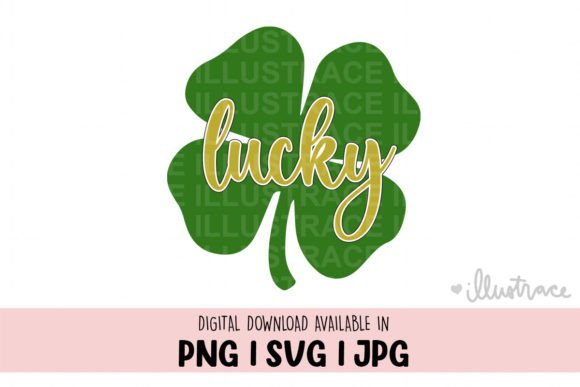
The immediate visual appeal of the Lucky Four Leaf Clover Png, Lucky Svg lies in its clean lines. In the world of machine embroidery, complexity is often the enemy of quality. A design that looks intricate on a computer monitor can turn into a tangled mess of thread breaks and puckering on a sweatshirt. This design, however, respects the limitations of the needle. The clover shape is distinct, with enough negative space to allow the fabric to breathe. For an embroidery designer, this is a green flag. It suggests that the digitizer—or the potential user converting the SVG—understands that less is often more when working with thread.
The mood it creates is playful yet polished. It doesn’t scream "cheap holiday novelty." Instead, it feels like a boutique element that could easily sit alongside high-end branding. This is crucial for Etsy sellers and small shop owners who need their handmade products to look professional, not just festive. The layout is balanced, meaning it won’t look lopsided when stitched onto a curved surface like a cap or a soft, stretchy baby onesie.
Real-World Application: The Tote Bag Test
To truly evaluate a design, you have to imagine it in use. I recently worked on a custom order for a local boutique needing St. Patrick’s Day merchandise that wouldn’t end up in a landfill by March 18th. They wanted something versatile. I envisioned using the Lucky Four Leaf Clover Png, Lucky Svg on a heavy canvas tote bag design.
In this scenario, the design’s scalability is its greatest asset. Because the source files include SVG formats, I can resize the clover without losing resolution before converting it into an embroidery file. On a tote bag, a larger scale allows for creative stitch choices. I might opt for a dense fill stitch in a vibrant emerald green to make the clover pop against natural cotton canvas. Alternatively, for a more subtle, upscale look, I could use a satin stitch border with a lighter fill, giving it a textured, premium feel. The simplicity of the clover means it doesn’t compete with the texture of the canvas; it complements it.
Beyond Bags: Apparel and Home Decor
This design isn’t limited to bags. Imagine it as a small chest emblem on a sweatshirt embroidery project. Here, the stitch density becomes critical. If the design is too dense, the sweatshirt fabric will pucker. If it’s too light, the garment’s fleece might show through. The open nature of this four-leaf clover suggests it would perform well with moderate density, perhaps utilizing a running stitch for internal details to keep the garment soft and wearable.
For baby embroidery, such as a bib or a sleeper, the design’s lack of tiny, fragile details is a major benefit. Babies are rough on clothes, and delicate threads snap. A bold, simple clover withstands washing and wear better than intricate lace-like patterns. Similarly, for holiday embroidery on kitchen towels or aprons, the design holds up well to frequent laundering, provided the correct stabilizer is used during production.
Navigating Potential Pitfalls
While the Lucky Four Leaf Clover Png, Lucky Svg is robust, it is not without its challenges. Designers must be cautious when applying it to difficult surfaces. For instance, on a structured cap, the curvature can distort the shape. The symmetrical nature of the clover helps, but hoop placement must be precise. If the design is off-center by even a millimeter, the human eye will notice immediately because the shape is so recognizable.
Another consideration is fabric texture. On highly textured fabrics like terry cloth or bouclé, fine details can get lost. Since this design relies on clear outlines, it is generally safe, but I always recommend testing on scrap fabric first. Dark fabrics present another challenge. If you are stitching a green clover on a black navy hoodie, you need high-contrast thread colors. A dark green on black will vanish. In such cases, consider adding a white underlay or choosing a brighter, lime-green thread to ensure visibility.
Enhancing Product Value and Brand Consistency
From a business perspective, the right graphic elevates the perceived value of the finished product. A generic, pixelated clipart can make a custom apparel item look amateurish. In contrast, a crisp, well-executed embroidery of the Lucky Four Leaf Clover Png, Lucky Svg signals quality. It builds customer trust. When buyers see clean stitches and a thoughtful design, they are more likely to leave positive reviews and return for future purchases.
For digital product sellers, offering this as part of a bundle can increase average order value. However, clarity in licensing is key. Before selling items made with this design, confirm whether the license allows for commercial embroidery use. Many creators assume that buying a digital file grants unlimited commercial rights, but this is not always the case. Always read the terms associated with the design assets you purchase.
Practical Notes for the Embroidery Designer
If you are planning to use this design in your next embroidery project, here are my top recommendations for ensuring success:
- Test on Scrap Fabric: Never stitch directly on your final garment. Use a similar fabric weight and type to check for puckering or thread breaks.
- Check Stabilizer Choice: For stretchy fabrics like t-shirts, use a cut-away stabilizer. For woven fabrics like tote bags, a tear-away may suffice, but hooping properly is essential.
- Contrast is King: Ensure your thread color stands out against the fabric. Use a mockup tool to visualize the contrast before you start stitching.
- Verify File Formats: The product description mentions PNG and SVG. Remember, these are graphic files, not native machine embroidery formats (like PES or DST). You will need embroidery software to convert the SVG into a stitch file, allowing you to control density and stitch types.
- Inspect Small Details: If you scale the design down for a small hoop size, ensure the leaves don’t merge together. Simplify the design if necessary for smaller applications.
Final Verdict
The Lucky Four Leaf Clover Png, Lucky Svg is a solid addition to any crafter’s library. It bridges the gap between festive fun and professional design. Whether you are creating personalized gifts for friends, stocking your Etsy seller shop for the spring rush, or designing commercial embroidery runs for local businesses, this graphic offers the flexibility and clarity needed for high-quality results. It reminds us that in embroidery, as in life, luck favors the prepared—and the well-digitized.