Reviewing the Monitor Vector Flat Design SVG for Stitching
As a designer who spends half my life digitizing and the other half staring at hoop tension, I have learned to be skeptical of generic vector bundles. We often see assets labeled as Crafts or Graphics that look pristine on a screen but fall apart under the needle. However, the Monitor Vector Flat Design SVG caught my eye recently because of its clean, minimalist structure. I decided to put it through its paces, not just as a digital sticker or printed file, but as a potential candidate for real-world embroidery projects.
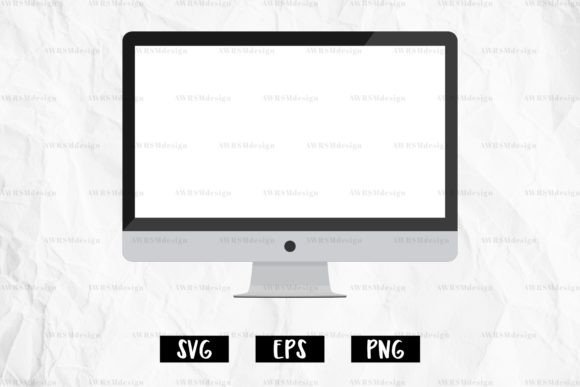
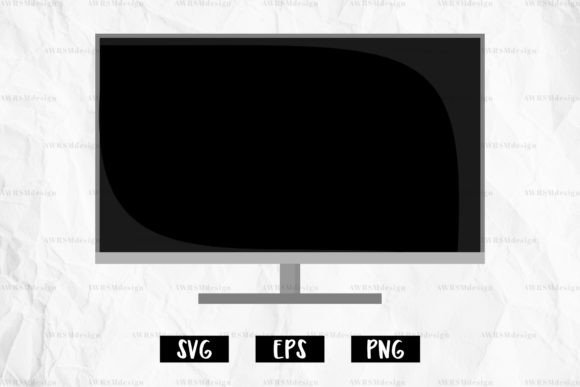
The first impression is one of modern simplicity. The design features a flat, two-dimensional representation of a computer monitor, stripped of unnecessary shadows or complex gradients. For an embroidery designer, this is both a blessing and a challenge. The lack of intricate detail means fewer stitch count issues, but it also means every line must be perfect. There is nowhere for sloppy digitizing to hide. The visual personality is tech-forward yet approachable, making it suitable for a wide range of applications beyond just office decor.
Real-World Application: The Remote Work Tote
To test the viability of this design, I envisioned a specific client project: a custom embroidered tote bag for a local co-working space launching a new membership tier. The goal was to create a handmade product that felt professional but not corporate. The Monitor Vector Flat Design SVG fit this brief perfectly. Its geometric lines translate well to the structured canvas of a heavy-duty tote.
In this scenario, the design serves as a badge of identity for remote workers and freelancers. When stitched onto a natural cotton canvas, the crisp edges of the monitor shape provide a striking contrast against the textured fabric texture. I found that the flat design style allows for bold thread colors without the risk of muddiness. A bright cyan or electric blue thread against a neutral background creates a pop that draws the eye immediately. This kind of tote bag design appeals to the Etsy seller looking for niche, relatable merchandise that speaks directly to the digital nomad lifestyle.
Performance on Apparel and Textiles
Moving beyond bags, I considered how this graphic would perform on custom apparel. Specifically, I looked at sweatshirt embroidery for a tech startup’s holiday party gifts. Sweatshirts present a unique challenge due to the pile of the fabric and the stretch of the knit. Because the Monitor Vector Flat Design SVG is relatively open and not overly dense, it avoids the common pitfall of puckering that plagues heavier designs on fleece.
For a small shop product like this, consistency is key. The vector nature of the source file ensures that the proportions remain exact whether you are scaling it down for a chest logo or up for a back print. However, when translating this to an embroidery file, one must be mindful of stitch direction. Long horizontal lines across the monitor screen area may require a fill stitch with careful underlay to prevent gaps, while the stand and bezel might benefit from a thicker running stitch or a narrow satin stitch to maintain definition.
I also evaluated its potential for baby embroidery. While a computer monitor might seem like an odd choice for nursery decor, the rise of "coder kids" and tech-themed baby showers has created a niche market. On a soft muslin blanket or a onesie, the design would need to be simplified further. The small details of the stand base might need to be merged or removed to reduce stitch density, ensuring the garment remains soft and comfortable against sensitive skin.
Navigating Technical Constraints
While the aesthetic is strong, there are areas where the Monitor Vector Flat Design SVG requires careful handling. The primary concern is scale. If you attempt to stitch this design in a small hoop size, such as a 4x4 inch hoop, the finer details of the monitor stand could become lost. The stitch density must be adjusted based on the final dimensions. A design that looks sharp at six inches wide may look like a blob at two inches wide if the digitizer does not reduce the stitch count appropriately.
Another critical factor is the choice of stabilizer. Given the geometric precision of the design, any shift in the fabric during stitching will be noticeable. For stretchy fabrics like t-shirts or caps, a cut-away stabilizer is non-negotiable. For woven fabrics like aprons or pillow covers, a tear-away might suffice, but I always recommend testing on scrap fabric first. This is especially true for embroidered patch creation, where the edges need to be clean for cutting or merrowing.
Dark fabrics present another hurdle. If you are stitching a light-colored monitor on a black hoodie, you will need a solid underlay or perhaps an applique technique to prevent the dark fabric from showing through the stitches. The flat design style lends itself well to applique design methods, where a piece of fabric is cut to the shape of the monitor and then stitched down, reducing bulk and stitch time while maintaining visual impact.
Enhancing Brand Value and Customer Trust
From a business perspective, using high-quality design assets like this impacts perceived value. Customers can tell when a design is lazy or poorly executed. A clean, well-digitized monitor icon suggests professionalism. For an Etsy seller or a boutique owner, this translates to higher customer trust and better reviews. It shows that attention to detail was paid not just to the marketing photos, but to the physical finished product.
This design also offers versatility for commercial embroidery projects. It can be used for corporate branding, tech conference swag, or even as part of a larger composite design for a gaming cafe. Its neutrality allows it to pair well with text. Adding a company name or a witty slogan below the monitor creates a balanced composition that is easy to read and visually appealing.
Practical Notes for the Embroiderer
Before you load this design into your machine, take a moment to review the technical specifics. Since the product description notes it is a vector bundle intended for various purposes including sublimation and printing, you must ensure you have the correct digital embroidery file format for your machine. Do not assume the SVG will import directly into your embroidery software without conversion. Always check the license terms to confirm whether the design allows for commercial use of the finished items.
- Test on Scrap: Always run a test stitch on the same fabric type you intend to use for the final project.
- Check Contrast: Ensure your thread color contrasts sufficiently with the fabric, especially for the thin lines of the monitor bezel.
- Review Density: If scaling down, reduce stitch density to prevent perforation of the fabric.
- Stabilize Properly: Use appropriate stabilizers for knits and wovens to maintain shape integrity.
- Verify Licensing: Confirm that the license covers the intended use, whether for personal gifts or commercial sales.
In conclusion, the Monitor Vector Flat Design SVG is a versatile asset that bridges the gap between digital graphics and tactile crafts. With proper digitizing and attention to material choices, it can elevate a simple embroidery project into a standout piece of merchandise. Whether you are creating a personalized gift for a tech enthusiast or stocking your online store with trendy holiday embroidery items, this design offers a solid foundation for creative expression. Just remember that the vector file is only the starting point; the magic happens in how you translate those lines into thread.