Lucky You SVG: A Designer’s St. Patrick’s Day Review
As an embroidery designer who spends more time staring at digitized paths than I care to admit, I approach every new machine embroidery design with a healthy dose of skepticism. We have all been there: you download a cute graphic, load it onto your machine, and watch in horror as the thread bunches up or the details vanish into the fabric. That is why when I recently evaluated the Lucky You Svg, St Patricks Day Svg for a potential spring collection, I did not just look at the preview image. I looked at it through the lens of stitchability, commercial viability, and real-world application.
This particular piece falls under the broad categories of Crafts and Graphics, but for us in the trade, it is a tool. It is a digital asset that needs to translate from a vector line on a screen to a tactile, threaded reality on a garment. Here is my honest breakdown of how this design performs when it leaves the computer and enters the hoop.
First Impressions: Mood and Visual Personality
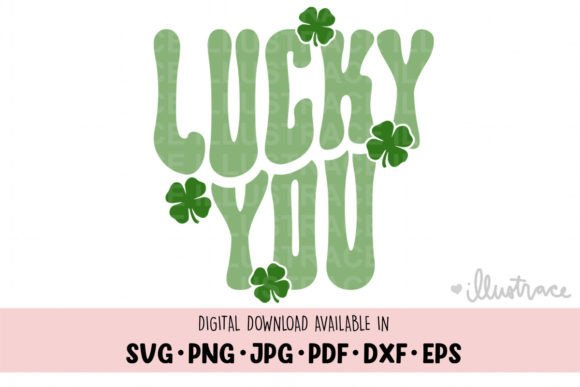
The first thing that strikes you about the Lucky You Svg, St Patricks Day Svg is its playful yet clean aesthetic. It captures the whimsical spirit of St. Patrick’s Day without relying on the overly cluttered shamrocks and leprechaun hats that saturate the market every March. The layout feels balanced, with a typography-driven focus that suggests good readability even at smaller scales. For an embroidery project, this is crucial. Complex illustrations often fail in thread because threads have thickness; lines have width. This design, however, appears to respect the limitations of the medium.
The mood is lighthearted and inviting. It does not scream for attention but rather invites a closer look. This subtle confidence makes it versatile. It is not just a holiday novelty; it has the potential to be a staple in a spring rotation. When I visualize this stitched out, I see it working well for customers who want festive apparel that they might actually wear again next year, rather than a costume piece that ends up in a donation bin by April 1st.
Real-World Application: From Screen to Stitch
To truly test the value of any embroidery file, you have to imagine it on actual products. I ran through several scenarios where this design could shine in a small shop product lineup.
Custom Apparel and Sweatshirts
My primary test case was a heather grey crewneck sweatshirt. The Lucky You Svg, St Patricks Day Svg sits beautifully on the chest or slightly off-center on the left breast. On a sweatshirt, the texture of the fleece provides a nice backdrop for satin stitches or fill stitches, provided the density is managed correctly. The design’s open spaces allow the fabric to breathe, preventing that stiff, cardboard-like feel that plagues poorly digitized holiday graphics. For an Etsy seller, this is a high-margin item. It is quick to stitch, uses standard thread colors, and appeals to the massive market of people looking for cute, casual holiday wear.
Tote Bags and Canvas Goods
Canvas tote bags are another ideal candidate. The sturdy weave of canvas holds embroidery well, and the tote bag design potential here is strong. I envision this in bright kelly green or gold thread against a natural canvas background. The contrast would be sharp, making the text pop. Since tote bags are often used as reusable grocery carriers or book bags, the durability of the stitch matters. If the design relies too heavily on long running stitches without proper anchoring, it might snag. However, the compact nature of this specific graphic suggests it would hold up well to daily use.
Baby Embroidery and Nursery Decor
For the younger demographic, this design could be scaled down for baby onesies or bibs. Baby embroidery requires extra caution regarding scratchy backing and dense stitching. If the Lucky You Svg, St Patricks Day Svg is digitized with soft underlays and appropriate stitch types, it makes for an adorable personalized gift. Parents love subtle holiday themes that do not overwhelm the tiny frame of a baby garment. It also translates well to pillow covers or nursery wall hangings, adding a touch of seasonal charm to home decor.
Technical Considerations and Potential Pitfalls
While the design is promising, no digital embroidery file is plug-and-play without some designer intuition. Here are the areas where you need to exercise caution.
Fabric Texture and Stability
If you are stitching on textured fabrics like terry cloth towels or fuzzy fleece, you must check the stitch density. Thin lines can get lost in the pile. I recommend using a cut-away stabilizer for stretchy fabrics like t-shirts to prevent puckering. For woven fabrics like aprons or tea towels, a tear-away might suffice, but always test first. The fabric texture plays a huge role in how the final product looks. A smooth cotton will show every imperfection, while a textured linen might hide minor tension issues.
Small Details and Lettering
The phrase "Lucky You" implies text. In embroidery, small lettering is the hardest element to perfect. If the font is too thin, it may break during washing. If it is too thick, the letters might merge together. Before committing to a large batch of commercial embroidery orders, stitch out a sample on scrap fabric. Check if the corners of the letters are sharp or rounded. Rounded corners often stitch out cleaner than sharp points, which can cause thread buildup.
Curved Surfaces
Applying this to caps or hats requires a different approach. The curvature of a cap brim or front panel can distort the design. You may need to adjust the pull compensation in your digitizing software if you have the editable file, or choose a smaller hoop size to keep the design flat. If you are using pre-digitized files, ensure the format matches your machine’s capabilities.
Enhancing Product Value and Brand Consistency
Using a well-chosen design like the Lucky You Svg, St Patricks Day Svg does more than just decorate a product; it builds brand trust. When customers receive a handmade product with clean, professional stitching, they perceive higher value. Sloppy embroidery with loose threads or misaligned elements signals amateurism. Clean lines and consistent tension signal quality.
For craft business owners, consistency is key. If this design fits your brand’s aesthetic—perhaps you specialize in minimalist holiday goods or playful typography—it reinforces your brand identity. It becomes part of your visual language. Moreover, using versatile designs allows for better inventory management. You can create printable mockups and list them as pre-orders, gauging interest before stitching a single thread. This reduces waste and ensures that your finished product has a buyer waiting.
Practical Designer Notes for Best Results
Before you launch this design into your shop, follow these practical steps:
- Test on Scrap Fabric: Never skip this step. Use the same fabric and stabilizer combination you plan to use for production.
- Check Thread Color Contrast: View your design in black and white. If the design disappears, it lacks sufficient contrast. Adjust your thread palette accordingly.
- Review Stitch Density: Ensure the design is not too dense for lightweight fabrics, which can cause puckering.
- Confirm Hoop Size: Make sure the design fits comfortably within your standard hoop sizes to minimize re-hooping time.
- Inspect Small Details: Zoom in on the digitized view. Look for unnecessary jump stitches or confusing pathing that could cause thread breaks.
- Verify Licensing: Always confirm the license terms. Can you use this for commercial embroidery? Can you sell the physical items? Can you resell the digital file? Most SVGs are for personal use or limited commercial use, so read the fine print.
In conclusion, the Lucky You Svg, St Patricks Day Svg is a solid contender for your spring lineup. It balances festive charm with practical stitchability. By paying attention to fabric choice, stabilizer selection, and stitch quality, you can turn this simple graphic into a best-selling personalized gift or a standout item in your small shop product range. Happy stitching!