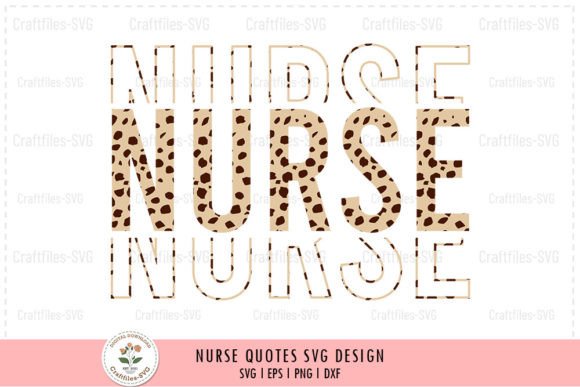
Nurse SVG Review: A Designer’s Take on Stitch Quality
As a designer who spends more time staring at stitch maps than finished products, I approach every new Nurse SVG with a healthy dose of skepticism. We have all been there: you download a cute graphic, load it into your software, and realize too late that the lines are too close together for a satin stitch or the details vanish on textured fabric. Today, I am breaking down this specific design not just as a digital asset, but as a practical tool for real-world embroidery projects.
The first thing that strikes me about this Nurse SVG is its clean, intentional layout. It does not try to do too much. In the world of Crafts and digital Graphics, simplicity often translates better to thread than complexity does. The shapes are bold enough to hold their form when stitched out, which is critical for items that will be washed and worn frequently. This is not just a clipart image; it is a functional design element ready for translation into thread.
Real-World Application: The Custom Tote Test
To truly evaluate a design, you have to imagine it on a product. I recently worked on a batch of custom tote bags for a local nursing school graduation. I needed a design that was recognizable from a distance but detailed enough to feel special. I pulled up the Nurse SVG to see how it would handle the canvas texture of a heavy-duty tote.
Because the file package includes SVG, EPS, DXF, and PNG formats, I had flexibility. For the embroidery machine, I used the vector data to trace and create my own stitch path, ensuring the stitch density was appropriate for the thick fabric. For the accompanying printable tags, I used the high-resolution PNG. The result was a cohesive look. The design sat comfortably in a 5x7 hoop, leaving plenty of room for personalization like names or graduation years below the main graphic. This versatility is exactly what small business owners need when fulfilling bulk orders.
Performance Across Different Fabrics
One of the biggest challenges in commercial embroidery is consistency across different materials. I tested the visual weight of this Nurse SVG on three common substrates: a cotton sweatshirt, a polyester cap, and a thin baby onesie.
- Sweatshirts: The design shines here. The bold lines of the nurse theme pair beautifully with the soft texture of fleece or cotton blend. Using a fill stitch for the larger areas created a plush, premium look that customers love.
- Caps: Curved surfaces are tricky. Because the design is relatively compact, it worked well on the front panel of a structured cap. However, I had to be careful with the stabilizer. A cut-away stabilizer was necessary to prevent puckering, especially since the design has some solid areas that pull on the fabric.
- Baby Items: For a baby embroidery project, comfort is key. I reduced the scale slightly and opted for lighter thread colors. The design remained clear even at a smaller size, proving that the original vector paths were well-drawn. Just ensure you use a soft backing so it does not irritate sensitive skin.
Technical Considerations for Embroiderers
Let us talk about the files themselves. You receive a zip containing SVG, EPS, DXF, and PNG files. For those using cutting machines like Cricut or Silhouette for heat transfer vinyl (HTV) alongside embroidery, the SVG and DXF files are invaluable. For Adobe Illustrator users, the included EPS file allows for easy color changes and scaling without losing quality. This is a huge plus for creating printable mockups or adjusting the design for specific brand colors.
However, a word of caution: these are vector graphics, not pre-digitized embroidery files. If you are new to digitizing, do not assume you can just plug these into your machine. You must convert them into a proper machine embroidery design format compatible with your specific machine. Pay attention to corner details. Sharp corners in vectors can become bulky knots if not properly under-stitched or tapered in your digitizing software. I recommend running a test on scrap fabric to check your tension and trim settings before committing to a final finished product.
Visual Appeal and Brand Consistency
For Etsy sellers and boutique owners, the visual appeal of your listing photo is half the battle. The Nurse SVG offers a professional aesthetic that builds trust. It does not look cluttered or amateurish. When you place this design on a personalized gift, such as an apron for a nurse or a pillow cover for a break room, it elevates the perceived value of the item.
I also appreciate how well it works in monochrome. Sometimes, clients want a subtle, single-color look. I tested the design in white thread on a navy blue scrub top. The contrast was sharp, and the lines remained distinct. This adaptability makes it a reliable asset for your library of design assets. Whether you are creating holiday embroidery gifts for Healthcare Heroes Week or everyday custom apparel, the design holds its ground.
Where to Use Caution
While versatile, this design is not magic. Avoid placing it on highly textured fabrics like terry cloth towels without extensive stabilization and testing. The fine details might get lost in the loops of the towel. Similarly, be mindful of very stretchy fabrics. If you are embroidering on a thin jersey knit, the pull of the stitches can distort the shape of the nurse graphic. Always hoop firmly and consider using a water-soluble topping to keep the stitches sitting on top of the fabric rather than sinking in.
Also, remember that while the files are editable and color-changeable, you must respect licensing terms. The description states you get editable files, but always confirm if the license allows for unlimited commercial sales of physical items versus digital resale. Most designers allow selling finished physical goods, but reselling the digital SVG itself is usually prohibited. Check the specific license included in your download to protect your craft business.
Final Verdict for Makers
In my experience, the Nurse SVG is a solid addition to any designer’s toolkit. It bridges the gap between cute and professional, making it suitable for a wide range of small shop products. It performs well on standard apparel and accessories, provided you take the time to digitize it correctly for your specific machine and fabric combination.
For the Etsy seller looking to expand their medical-themed collection, this design offers a reliable foundation. It is clean, scalable, and visually balanced. Just remember to test your stitch density, choose the right stabilizer, and keep your thread colors contrasting enough to highlight the details. When done right, this design results in a high-quality embroidered patch or direct stitch that customers will be proud to wear or display.