Review: Chinchilla SVG Clipart for Embroidery
As a designer who spends more time staring at stitch simulations than I care to admit, I have learned that not every cute graphic translates well to thread. We often see adorable Graphics online that look perfect on a screen but turn into a tangled mess under the needle. That is why I took a close, practical look at the Chinchilla SVG Clipart Cute Cut File. My goal was not just to admire the artwork, but to evaluate its viability for real-world machine embroidery design applications. Whether you are an Etsy seller looking for your next bestseller or a hobbyist making a personalized gift, understanding how a digital file behaves in physical space is crucial.
First Impressions and Visual Personality
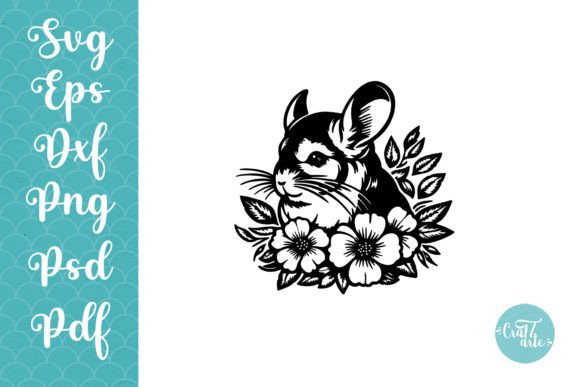
The first thing that strikes me about this Chinchilla SVG Clipart Cute Cut File is its approachable simplicity. In the world of Crafts, complexity does not always equal quality. For embroidery, clean lines and balanced proportions are often more valuable than intricate details that get lost in the fabric texture. This design exudes a soft, whimsical mood. It feels friendly and inviting, which makes it an excellent candidate for items meant to bring comfort or joy.
The layout appears well-suited for conversion into an embroidery file. The shapes are distinct, avoiding the tiny, isolated elements that often cause thread breaks or nesting issues during stitching. When I visualize this as a finished product, I see a design that relies on strong silhouettes rather than excessive internal detailing. This is a smart move for a digital embroidery file intended for broad use, as it ensures clarity even when scaled down for smaller items like baby socks or up for larger statement pieces like tote bags.
Real-World Application: The Custom Tote Bag Test
To truly judge a design, you have to imagine it in context. I recently worked on a project for a local boutique that specializes in eco-friendly accessories. They needed a tote bag design that would appeal to animal lovers without looking childish. I considered using the Chinchilla SVG Clipart Cute Cut File for a prototype. Here is how I broke down the potential execution:
- Fabric Choice: A natural canvas tote provides a sturdy base. The texture of canvas can sometimes interfere with fine details, but the bold lines of this chinchilla design should hold up well.
- Stitch Type: I would likely convert the main body into a fill stitch pattern to give it volume and softness, mimicking the fur of a chinchilla. The outlines could benefit from a subtle satin stitch border to define the shape against the fabric.
- Thread Colors: Using varying shades of gray and cream would add depth. Testing thread colors on scrap fabric is essential here to ensure the contrast is sufficient. A low-contrast palette might look elegant but could appear muddy from a distance.
This scenario highlights why this clipart is versatile. It is not just a static image; it is a foundation for a handmade product that tells a story. Customers buying a tote bag are often looking for uniqueness. A well-executed embroidery of this chinchilla adds perceived value, transforming a simple bag into a small shop product with character.
Navigating Technical Challenges in Embroidery
While the design is charming, we must address the technical realities of turning a vector SVG into stitches. One common pitfall with cute animal designs is the eyes and nose. If these details are too small, they can become dense knots of thread. When working with the Chinchilla SVG Clipart Cute Cut File, I recommend checking the stitch density in your digitizing software. If you are converting it yourself, ensure that the facial features are large enough to be stitched cleanly, perhaps using a simple running stitch or a small satin column rather than a complex fill.
Another consideration is the hoop size. This design seems flexible enough to fit within standard 4x4 or 5x7 hoops, which are workhorses for most home embroiderers. However, if you plan to use it on curved surfaces like caps, you must account for distortion. A sweatshirt embroidery project is generally safer because the fabric lies flat, allowing the design to retain its intended proportions. For baby embroidery, such as on onesies, ensure the design is scaled appropriately so it does not overwhelm the small garment. Soft, flexible stabilizers are key here to prevent the fabric from puckering around the stitched area.
Commercial Viability for Makers and Sellers
For commercial embroidery professionals and craft business owners, the appeal of this file lies in its marketability. Animal-themed items consistently perform well on platforms like Etsy. The "cute" factor is a powerful driver for impulse buys, especially for holiday embroidery gifts or personalized gift occasions like birthdays and baby showers.
However, before listing this as a design asset in your shop, you must verify the licensing terms. Just because a file is labeled as an SVG for cut files does not automatically grant rights for commercial embroidery sales. Always confirm whether the license covers physical finished goods or if it is restricted to personal use. Additionally, consider creating printable mockup images that show the chinchilla embroidered on various products. This helps customers visualize the custom apparel or decor item, increasing buyer engagement and trust.
Practical Designer Notes for Best Results
To ensure your project with the Chinchilla SVG Clipart Cute Cut File is a success, keep these practical tips in mind:
- Test on Scrap Fabric: Never stitch directly on your final garment. Use a similar fabric weight and texture to test tension and registration.
- Check Contrast: View your design in black and white. If the details disappear, you may need to adjust line weights or thread choices.
- Use Proper Stabilizer: Match your stabilizer to your fabric. Cut-away stabilizers are often better for stretchy fabrics like t-shirts, while tear-away works for stable woven cottons.
- Inspect Small Details: Zoom in on the digital file. Are there any stray nodes or overlapping paths? Cleaning up the SVG before digitizing can save hours of troubleshooting.
- Consider the End Use: If the item will be washed frequently, such as a kitchen towel or apron, ensure the stitch density is not so high that it creates stiffness or perforates the fabric.
In conclusion, the Chinchilla SVG Clipart Cute Cut File offers a solid foundation for creative projects. It balances aesthetic appeal with practical simplicity, making it suitable for a wide range of embroidery project types. By approaching it with a designer’s eye for detail and a maker’s respect for materials, you can create stunning, professional-quality items that resonate with customers. Whether you are decorating a pillow cover, creating an embroidered patch, or launching a new line of custom apparel, this design has the potential to shine when handled with care and technical precision.